


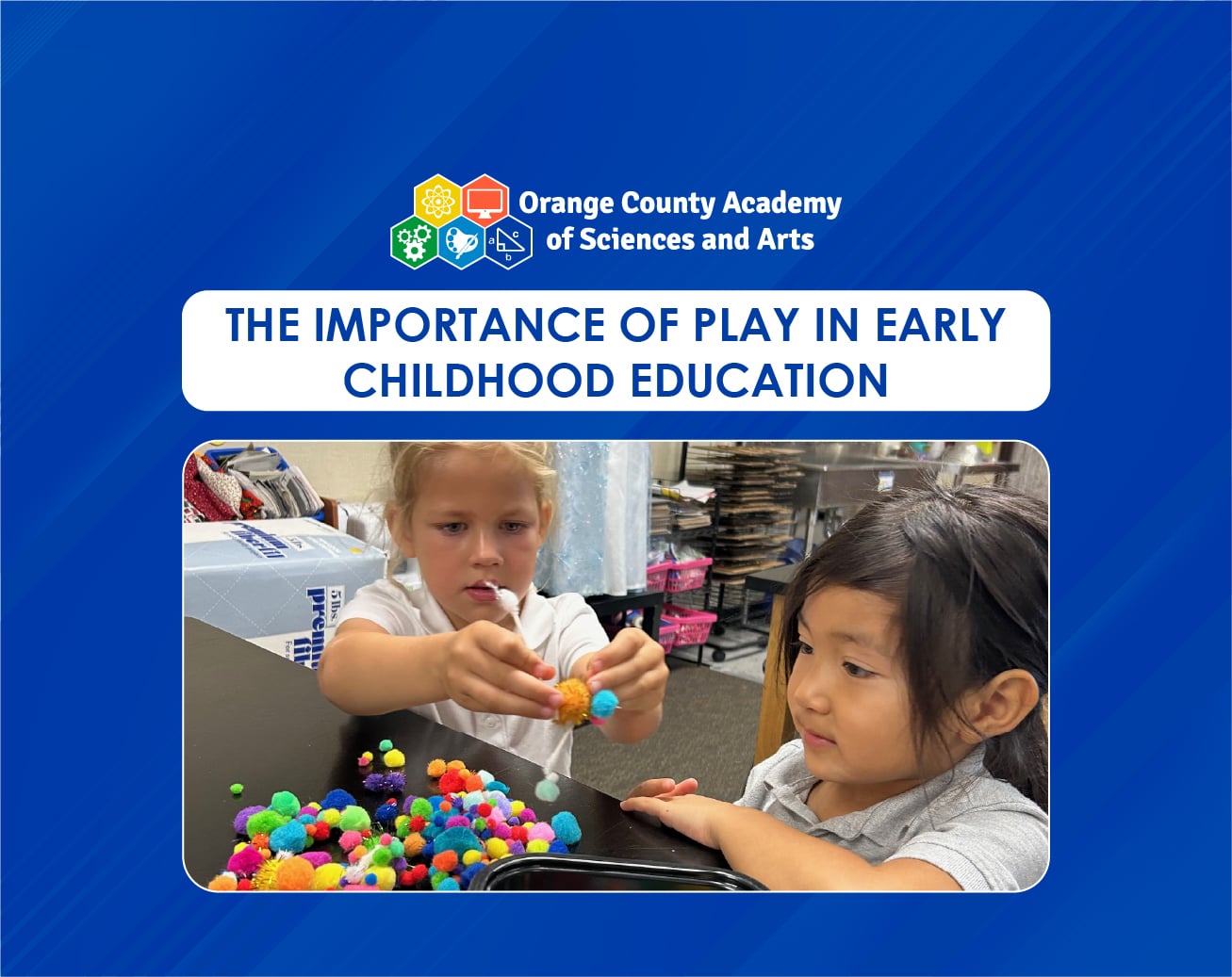
The Importance of Play in Early Childhood Education
"For children, play is not a break from learning. It is one of the most important ways they learn about the world around them."
As parents, we all want our children to enjoy learning while building the skills they need for the future. While reading, writing, and math are essential, learning through exploring, creating, and simply playing is also equally important.
That is why the importance of play in education is receiving more attention than ever before. When children enjoy what they are learning, they are often more engaged, curious, and willing to try new things.
In this blog, let's explore why play-based learning is such an important part of early childhood education and how OCASA creates joyful learning experiences for every child.
What Is Play-Based Learning?
Play-based learning is an approach where children learn through meaningful, hands-on experiences that encourage exploration, creativity, and discovery.
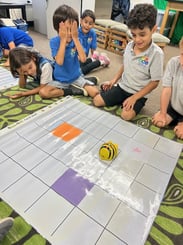
Rather than simply listening to a lesson, children actively participate in activities that help them understand new ideas. They might work together to solve a challenge, build something using different materials, explore nature outdoors, or use their imagination during creative play. Every experience is designed with a learning purpose while still allowing children to have fun.
Whether it happens inside the classroom or outdoors, play-based learning helps children connect what they are learning to the world around them, making every experience more meaningful.
Play-Based Learning Benefits for Young Children
.jpg?width=1951&height=1463&name=Play-Based%20Learning%20Benefits%20for%20Young%20Children@2x-100%20(1).jpg)
Children are naturally curious. They enjoy asking questions, trying new things, and discovering how the world works. When schools create opportunities for children to learn through play, those everyday moments become valuable learning experiences. Here are some of the biggest play-based learning benefits for young learners.
1. Play-Based Learning Helps Children Become Better Problem-Solvers
Whether children are building a tower with blocks, completing a puzzle, or creating something, they are constantly making decisions and finding solutions.
These experiences encourage children to think independently, try different ideas, and learn that making mistakes is part of learning. Experiences like these highlight the importance of play in education and the positive impact it can have on a child's overall development.
2. Play-Based Learning Builds Social and Communication Skills
Many play activities encourage children to work together, share ideas, and communicate with one another.
Whether they are participating in group games, dramatic play, or collaborative classroom activities, children learn how to listen, take turns, express themselves, and respect different perspectives. These everyday interactions are an important part of play in early childhood and help children build friendships and confidence.
3. Play Encourages Creativity and Imagination
Children learn best when they have opportunities to imagine, create, and explore.
Simple activities like drawing, building with different materials, creating stories, or woodworking allow children to think creatively while developing language and problem-solving skills. These experiences are some of the most valuable play-based learning benefits because they encourage children to see challenges from different perspectives.
4. Play Makes Learning More Engaging
When children enjoy what they are doing, they are more likely to stay focused and remember what they have learned.
Instead of simply listening to information, play-based learning encourages children to actively participate in the learning process. They explore ideas, test their thinking, and make meaningful connections through experience.
5. Play Supports Physical Development
Running, jumping, climbing, balancing, throwing, and other active games help children develop coordination, strength, and confidence. These active experiences show why play in early childhood is essential for helping children develop strong physical skills and healthy habits that last a lifetime.
The importance of play in education goes far beyond having fun. It helps children build confidence, strengthen relationships, and develop the curiosity and independence they need to become successful learners. That is why OCASA always recognizes the value of play-based learning as an essential part of early education.
How OCASA Supports Play-Based Learning
.jpg?width=1951&height=1463&name=How%20OCASA%20Supports%20Play-Based%20Learning@2x-100%20(1).jpg)
At OCASA, learning goes beyond textbooks and worksheets. We believe children learn best when they have opportunities to explore, create, move, and discover. That is why play-based learning is naturally woven into the school day through meaningful learning experiences that encourage curiosity and active participation.
Here are some of the ways students experience play-based learning at OCASA:
1. Inquiry Arc Projects That Encourage Exploration
Our Inquiry Arc Projects give students opportunities to explore real-world topics through questions, investigations, and hands-on activities. Instead of simply learning facts, children are encouraged to discover patterns, make connections, and share what they have learned.
These semester-long projects help students stay curious while showing them that learning can be engaging and meaningful.
2. Maker Spaces and Outdoor Learning Opportunities
Across OCASA campuses, students learn through meaningful hands-on experiences that encourage exploration and creativity. Depending on the campus and grade level, these opportunities include STEAM activities, Inquiry Arc Projects, Maker Space experiences, outdoor learning, and other engaging projects that help bring learning to life.
3. Mixed-Age Classrooms That Encourage Learning Together
Our mixed-age classrooms create opportunities for students to learn from one another every day.
Younger students gain confidence by observing older classmates, while older students develop leadership skills by supporting younger learners. This collaborative environment encourages communication, teamwork, and meaningful relationships, making play in early childhood even more valuable through shared learning experiences.
4. Physical Education and Outdoor Play
Through physical education classes and outdoor activities, students have opportunities to build coordination, confidence, teamwork, and healthy habits. Whether they are playing games, participating in sports, or enjoying movement-based activities, children continue learning while staying active. These experiences reinforce the importance of play in education by supporting both physical and social development.
5. Beyond the Stars After-School Program
Learning continues even after the school day ends through our Beyond the Stars after-school program.
Students can participate in STEAM activities, creative art projects, recreational play, enrichment clubs, athletics, woodworking, and other engaging experiences in a safe and supportive environment. These activities allow children to continue exploring their interests while building friendships and confidence.
Conclusion
Every child deserves a learning environment where they feel happy, supported, and excited to come to school each day. When children have opportunities to learn through exploration, creativity, and meaningful experiences, they build confidence that stays with them throughout their learning journey.
At OCASA, we are proud to be growing a school community where children are encouraged to ask questions, discover their interests, and enjoy learning every step of the way. Whether you are exploring one of our existing campuses in Laguna Niguel and Aliso Viejo or looking for a new TK–5 school near Santa Ana, you'll find a safe, welcoming, and joyful environment designed to help every child learn, grow, and thrive.
.webp?height=245&name=smart%20learning-16%20(2).webp)
.webp?height=245&name=What%20Does%20Student-Centered%20Learning@2x%20(1).webp)
.webp?height=245&name=Library1.1%20(1).webp)
.webp?height=245&name=Hands-on%20Learning%20to%20Revolutionize%20Core%20Education-09-09%20(1).webp)
-1.png?height=245&name=image%20(14)-1.png)
-11.webp?height=245&name=Blog(%20The%20Magic%20of%20Reading)-11.webp)
.webp?height=245&name=mothers%20day-18%20(1).webp)

.webp?height=245&name=Main%20Banner@2x%20(1).webp)
%20_653%20X%20518%20_%202%20copy%206.webp?height=245&name=Blog%20images(Empowering%20Young%20Innovators)%20_653%20X%20518%20_%202%20copy%206.webp)
.webp?height=245&name=celebrating-the-incredible-staff-at-ocasa-01%20(1).webp)