---
title: What Does Student-Centered Learning Really Look Like in the Classroom
description: See how OCASA’s student-centered learning approach helps children become confident thinkers through personalized instruction and hands-on discovery.
image: https://www.ocasa.org/hubfs/What%20Does%20Student-Centered%20Learning@2x.webp
---
[](https://www.ocasa.org)
-
-
-
-

Search
- [Home](https://www.ocasa.org)
- [Enroll](https://www.ocasa.org/en-us/enroll-at-ocasa)
- About Us
About Us
Explore Solutions by
- [Board of Directors](https://www.ocasa.org/en-us/board)
- [Support OCASA](https://www.ocasa.org/en-us/support-ocasa)
- [Contact Us](https://www.ocasa.org/en-us/contact)
- [OCASA News](https://www.ocasa.org/news)

Learn who we are, what we do, and how to reach us.
Board of Directors
[ Board Overview](https://www.ocasa.org/en-us/board)
[ Meet Our Board](https://www.ocasa.org/en-us/board#meet)
[ Board Meetings](https://www.ocasa.org/en-us/board#calender)
[ Governing Documents](https://www.ocasa.org/en-us/board#documnets)
Support OCASA
Contact Us
OCASA News
- Our Schools
Our Schools
Explore Solutions by
- [OCASA Tustin](https://www.ocasa.org/en-us/ocasa-tustin)
- [OCASA Capistrano Elementary](https://www.ocasa.org/en-us/ocasa-capistrano-elementary)
- [OCASA Capistrano Middle School](https://www.ocasa.org/en-us/ocasa-capistrano-middle-school)
- [OCASA College Prep (6-12)](https://www.ocasa.org/en-us/ocasa-college-prep)

Explore schools that empower students through joyful learning.
OCASA Tustin
[%20Overview%201.svg) OCASA Tustin (TK-6) Overview](https://www.ocasa.org/en-us/ocasa-elementary/tustin#Introduction)
[ Mixed-Age Small Groups](https://www.ocasa.org/en-us/ocasa-elementary/tustin#Mixed-Age)
[ Project Lead the Way](https://www.ocasa.org/en-us/ocasa-elementary/tustin#Project)
[ Electives](https://www.ocasa.org/en-us/ocasa-elementary/tustin#STEAM)
[ After School Program](https://www.ocasa.org/en-us/ocasa-elementary-tustin#After-School-Program)
OCASA Capistrano Elementary
[%20Overview%201.svg) OCASA Capistrano Elementary (TK-5) Overview](https://www.ocasa.org/en-us/ocasa-elementary/laguna-niguel#Introduction)
[ Mixed-Age Classrooms](https://www.ocasa.org/en-us/ocasa-elementary/laguna-niguel#Mixed-Age)
[ Inquiry Arc Projects](https://www.ocasa.org/en-us/ocasa-elementary/laguna-niguel#Inquiry)
[ Electives](https://www.ocasa.org/en-us/ocasa-elementary/laguna-niguel#STEAM)
[ After School Program](https://www.ocasa.org/en-us/ocasa-elementary-laguna-niguel#After-School-Program)
OCASA Capistrano Middle School
[%20Overview%201.svg) OCASA Capistrano Middle School (6-8) Overview](https://www.ocasa.org/en-us/ocasa-middle-school#Introduction)
[ Academics](https://www.ocasa.org/en-us/ocasa-middle-school#Overview)
[ STEAM+](https://www.ocasa.org/en-us/ocasa-middle-school#STEAM)
[ Clubs & Activities](https://www.ocasa.org/en-us/ocasa-middle-school#Clubs)
OCASA College Prep (6-12)
[%20Overview%201.svg) OCASA College Prep (6-12) Overview](https://www.ocasa.org/en-us/ocasa-college-prep#Introduction)
[ Academics](https://www.ocasa.org/en-us/ocasa-college-prep#Academics)
[ Electives](https://www.ocasa.org/en-us/ocasa-college-prep#STEAM)
[ Mentoring](https://www.ocasa.org/en-us/ocasa-college-prep#Mentoring)
[ Clubs & Activities](https://www.ocasa.org/en-us/ocasa-college-prep#Clubs)
- Parents
Parents
Explore Solutions by
- [Parent Info](https://www.ocasa.org/en-us/parent-information)

Important school updates to keep you informed and involved.
Parent Info
[ Parent Portal](https://www.ocasa.org/en-us/parent-information#Parent-Portal)
[ School Calendars](https://www.ocasa.org/en-us/parent-information#School-Calendars)
[ Bell Schedule](https://www.ocasa.org/en-us/parent-information#Bell-Schedule)
[ Dress Code & Uniforms](https://www.ocasa.org/en-us/parent-information#Dress-Code-and-Uniforms)
[ School Supplies](https://www.ocasa.org/en-us/parent-information#School-Supplies)
[%201.svg) Parent & Student Handbook](https://www.ocasa.org/en-us/parent-information#Parent-and-student-handbook)
- Staff
Staff
Explore Solutions by
- [Teachers & Staff](https://www.ocasa.org/en-us/ocasa-teachers-and-staff)
- [Join Our Team](https://www.ocasa.org/en-us/join-our-team)

Get to know our educators and learn how to become part of the OCASA family.
Teachers & Staff
[ Staff Directory](https://www.ocasa.org/en-us/ocasa-teachers-and-staff#Introduction)
[ Introduction](https://www.ocasa.org/en-us/ocasa-teachers-and-staff#Introduction)
[ Our Approach](https://www.ocasa.org/en-us/ocasa-teachers-and-staff#Approach)
[ OCASA Leadership and Headquarters](https://www.ocasa.org/en-us/ocasa-teachers-and-staff#Staffs)
[ OCASA Elementary Team](https://www.ocasa.org/en-us/ocasa-teachers-and-staff#Elementary)
[ OCASA Middle School Team](https://www.ocasa.org/en-us/ocasa-teachers-and-staff#Middle)
[ Student Support](https://www.ocasa.org/en-us/ocasa-teachers-and-staff#Student)
Join Our Team
[ Join Our Team Overview](https://www.ocasa.org/en-us/join-our-team#topsection)
[ Current Employment Opportunities](https://www.ocasa.org/en-us/join-our-team#topsection)
[ Job Descriptions](https://www.ocasa.org/en-us/join-our-team#Job)
[ Benefits](https://www.ocasa.org/en-us/join-our-team#Employee)
Search
Book an Info Session
[OCASA Elementary Tustin (TK-6)](https://www.ocasa.org/information-session-update)[OCASA Elementary Laguna Niguel (TK-5)](https://www.ocasa.org/information-session-update) [OCASA Middle School Aliso Viejo (6-8)](https://www.ocasa.org/information-session-update)
- [Information Session at the Tustin Public Library](https://www.eventbrite.com/e/ocasa-tustin-information-session-tustin-public-library-tickets-1709541928929?aff=ebdsshcopyurl&utm-campaign=social&utm-content=attendeeshare&utm-medium=discovery&utm-term=organizer-profile&utm-share-source=organizer-profile)
- [Information Session at The Annex at Tustin Legacy](https://www.eventbrite.com/e/ocasa-tustin-information-session-the-annex-at-tustin-legacy-tickets-1981921253822?aff=ebdsshcopyurl&utm-campaign=social&utm-content=attendeeshare&utm-medium=discovery&utm-term=organizer-profile&utm-share-source=organizer-profile)
[Contact Us](https://www.ocasa.org/en-us/contact)
- [Home](https://www.ocasa.org)
- [Enroll](https://www.ocasa.org/en-us/enroll-at-ocasa)
- About Us
About Us
Explore Solutions by
- [Board of Directors](https://www.ocasa.org/en-us/board)
- [Support OCASA](https://www.ocasa.org/en-us/support-ocasa)
- [Contact Us](https://www.ocasa.org/en-us/contact)
- [OCASA News](https://www.ocasa.org/news)

Learn who we are, what we do, and how to reach us.
Board of Directors
[ Board Overview](https://www.ocasa.org/en-us/board)
[ Meet Our Board](https://www.ocasa.org/en-us/board#meet)
[ Board Meetings](https://www.ocasa.org/en-us/board#calender)
[ Governing Documents](https://www.ocasa.org/en-us/board#documnets)
Support OCASA
Contact Us
OCASA News
- Our Schools
Our Schools
Explore Solutions by
- [OCASA Tustin](https://www.ocasa.org/en-us/ocasa-tustin)
- [OCASA Capistrano Elementary](https://www.ocasa.org/en-us/ocasa-capistrano-elementary)
- [OCASA Capistrano Middle School](https://www.ocasa.org/en-us/ocasa-capistrano-middle-school)
- [OCASA College Prep (6-12)](https://www.ocasa.org/en-us/ocasa-college-prep)

Explore schools that empower students through joyful learning.
OCASA Tustin
[%20Overview%201.svg) OCASA Tustin (TK-6) Overview](https://www.ocasa.org/en-us/ocasa-elementary/tustin#Introduction)
[ Mixed-Age Small Groups](https://www.ocasa.org/en-us/ocasa-elementary/tustin#Mixed-Age)
[ Project Lead the Way](https://www.ocasa.org/en-us/ocasa-elementary/tustin#Project)
[ Electives](https://www.ocasa.org/en-us/ocasa-elementary/tustin#STEAM)
[ After School Program](https://www.ocasa.org/en-us/ocasa-elementary-tustin#After-School-Program)
OCASA Capistrano Elementary
[%20Overview%201.svg) OCASA Capistrano Elementary (TK-5) Overview](https://www.ocasa.org/en-us/ocasa-elementary/laguna-niguel#Introduction)
[ Mixed-Age Classrooms](https://www.ocasa.org/en-us/ocasa-elementary/laguna-niguel#Mixed-Age)
[ Inquiry Arc Projects](https://www.ocasa.org/en-us/ocasa-elementary/laguna-niguel#Inquiry)
[ Electives](https://www.ocasa.org/en-us/ocasa-elementary/laguna-niguel#STEAM)
[ After School Program](https://www.ocasa.org/en-us/ocasa-elementary-laguna-niguel#After-School-Program)
OCASA Capistrano Middle School
[%20Overview%201.svg) OCASA Capistrano Middle School (6-8) Overview](https://www.ocasa.org/en-us/ocasa-middle-school#Introduction)
[ Academics](https://www.ocasa.org/en-us/ocasa-middle-school#Overview)
[ STEAM+](https://www.ocasa.org/en-us/ocasa-middle-school#STEAM)
[ Clubs & Activities](https://www.ocasa.org/en-us/ocasa-middle-school#Clubs)
OCASA College Prep (6-12)
[%20Overview%201.svg) OCASA College Prep (6-12) Overview](https://www.ocasa.org/en-us/ocasa-college-prep#Introduction)
[ Academics](https://www.ocasa.org/en-us/ocasa-college-prep#Academics)
[ Electives](https://www.ocasa.org/en-us/ocasa-college-prep#STEAM)
[ Mentoring](https://www.ocasa.org/en-us/ocasa-college-prep#Mentoring)
[ Clubs & Activities](https://www.ocasa.org/en-us/ocasa-college-prep#Clubs)
- Parents
Parents
Explore Solutions by
- [Parent Info](https://www.ocasa.org/en-us/parent-information)

Important school updates to keep you informed and involved.
Parent Info
[ Parent Portal](https://www.ocasa.org/en-us/parent-information#Parent-Portal)
[ School Calendars](https://www.ocasa.org/en-us/parent-information#School-Calendars)
[ Bell Schedule](https://www.ocasa.org/en-us/parent-information#Bell-Schedule)
[ Dress Code & Uniforms](https://www.ocasa.org/en-us/parent-information#Dress-Code-and-Uniforms)
[ School Supplies](https://www.ocasa.org/en-us/parent-information#School-Supplies)
[%201.svg) Parent & Student Handbook](https://www.ocasa.org/en-us/parent-information#Parent-and-student-handbook)
- Staff
Staff
Explore Solutions by
- [Teachers & Staff](https://www.ocasa.org/en-us/ocasa-teachers-and-staff)
- [Join Our Team](https://www.ocasa.org/en-us/join-our-team)

Get to know our educators and learn how to become part of the OCASA family.
Teachers & Staff
[ Staff Directory](https://www.ocasa.org/en-us/ocasa-teachers-and-staff#Introduction)
[ Introduction](https://www.ocasa.org/en-us/ocasa-teachers-and-staff#Introduction)
[ Our Approach](https://www.ocasa.org/en-us/ocasa-teachers-and-staff#Approach)
[ OCASA Leadership and Headquarters](https://www.ocasa.org/en-us/ocasa-teachers-and-staff#Staffs)
[ OCASA Elementary Team](https://www.ocasa.org/en-us/ocasa-teachers-and-staff#Elementary)
[ OCASA Middle School Team](https://www.ocasa.org/en-us/ocasa-teachers-and-staff#Middle)
[ Student Support](https://www.ocasa.org/en-us/ocasa-teachers-and-staff#Student)
Join Our Team
[ Join Our Team Overview](https://www.ocasa.org/en-us/join-our-team#topsection)
[ Current Employment Opportunities](https://www.ocasa.org/en-us/join-our-team#topsection)
[ Job Descriptions](https://www.ocasa.org/en-us/join-our-team#Job)
[ Benefits](https://www.ocasa.org/en-us/join-our-team#Employee)
[](https://www.ocasa.org/)

[](https://www.ocasa.org/)

- [Home](https://www.ocasa.org)
- [Enroll](https://www.ocasa.org/en-us/enroll-at-ocasa)
- About Us
About Us
Explore Solutions by
- [Board of Directors](https://www.ocasa.org/en-us/board)
- [Support OCASA](https://www.ocasa.org/en-us/support-ocasa)
- [Contact Us](https://www.ocasa.org/en-us/contact)
- [OCASA News](https://www.ocasa.org/news)

Learn who we are, what we do, and how to reach us.
Board of Directors
[ Board Overview](https://www.ocasa.org/en-us/board)
[ Meet Our Board](https://www.ocasa.org/en-us/board#meet)
[ Board Meetings](https://www.ocasa.org/en-us/board#calender)
[ Governing Documents](https://www.ocasa.org/en-us/board#documnets)
Support OCASA
Contact Us
OCASA News
- Our Schools
Our Schools
Explore Solutions by
- [OCASA Tustin](https://www.ocasa.org/en-us/ocasa-tustin)
- [OCASA Capistrano Elementary](https://www.ocasa.org/en-us/ocasa-capistrano-elementary)
- [OCASA Capistrano Middle School](https://www.ocasa.org/en-us/ocasa-capistrano-middle-school)
- [OCASA College Prep (6-12)](https://www.ocasa.org/en-us/ocasa-college-prep)

Explore schools that empower students through joyful learning.
OCASA Tustin
[%20Overview%201.svg) OCASA Tustin (TK-6) Overview](https://www.ocasa.org/en-us/ocasa-elementary/tustin#Introduction)
[ Mixed-Age Small Groups](https://www.ocasa.org/en-us/ocasa-elementary/tustin#Mixed-Age)
[ Project Lead the Way](https://www.ocasa.org/en-us/ocasa-elementary/tustin#Project)
[ Electives](https://www.ocasa.org/en-us/ocasa-elementary/tustin#STEAM)
[ After School Program](https://www.ocasa.org/en-us/ocasa-elementary-tustin#After-School-Program)
OCASA Capistrano Elementary
[%20Overview%201.svg) OCASA Capistrano Elementary (TK-5) Overview](https://www.ocasa.org/en-us/ocasa-elementary/laguna-niguel#Introduction)
[ Mixed-Age Classrooms](https://www.ocasa.org/en-us/ocasa-elementary/laguna-niguel#Mixed-Age)
[ Inquiry Arc Projects](https://www.ocasa.org/en-us/ocasa-elementary/laguna-niguel#Inquiry)
[ Electives](https://www.ocasa.org/en-us/ocasa-elementary/laguna-niguel#STEAM)
[ After School Program](https://www.ocasa.org/en-us/ocasa-elementary-laguna-niguel#After-School-Program)
OCASA Capistrano Middle School
[%20Overview%201.svg) OCASA Capistrano Middle School (6-8) Overview](https://www.ocasa.org/en-us/ocasa-middle-school#Introduction)
[ Academics](https://www.ocasa.org/en-us/ocasa-middle-school#Overview)
[ STEAM+](https://www.ocasa.org/en-us/ocasa-middle-school#STEAM)
[ Clubs & Activities](https://www.ocasa.org/en-us/ocasa-middle-school#Clubs)
OCASA College Prep (6-12)
[%20Overview%201.svg) OCASA College Prep (6-12) Overview](https://www.ocasa.org/en-us/ocasa-college-prep#Introduction)
[ Academics](https://www.ocasa.org/en-us/ocasa-college-prep#Academics)
[ Electives](https://www.ocasa.org/en-us/ocasa-college-prep#STEAM)
[ Mentoring](https://www.ocasa.org/en-us/ocasa-college-prep#Mentoring)
[ Clubs & Activities](https://www.ocasa.org/en-us/ocasa-college-prep#Clubs)
- Parents
Parents
Explore Solutions by
- [Parent Info](https://www.ocasa.org/en-us/parent-information)

Important school updates to keep you informed and involved.
Parent Info
[ Parent Portal](https://www.ocasa.org/en-us/parent-information#Parent-Portal)
[ School Calendars](https://www.ocasa.org/en-us/parent-information#School-Calendars)
[ Bell Schedule](https://www.ocasa.org/en-us/parent-information#Bell-Schedule)
[ Dress Code & Uniforms](https://www.ocasa.org/en-us/parent-information#Dress-Code-and-Uniforms)
[ School Supplies](https://www.ocasa.org/en-us/parent-information#School-Supplies)
[%201.svg) Parent & Student Handbook](https://www.ocasa.org/en-us/parent-information#Parent-and-student-handbook)
- Staff
Staff
Explore Solutions by
- [Teachers & Staff](https://www.ocasa.org/en-us/ocasa-teachers-and-staff)
- [Join Our Team](https://www.ocasa.org/en-us/join-our-team)

Get to know our educators and learn how to become part of the OCASA family.
Teachers & Staff
[ Staff Directory](https://www.ocasa.org/en-us/ocasa-teachers-and-staff#Introduction)
[ Introduction](https://www.ocasa.org/en-us/ocasa-teachers-and-staff#Introduction)
[ Our Approach](https://www.ocasa.org/en-us/ocasa-teachers-and-staff#Approach)
[ OCASA Leadership and Headquarters](https://www.ocasa.org/en-us/ocasa-teachers-and-staff#Staffs)
[ OCASA Elementary Team](https://www.ocasa.org/en-us/ocasa-teachers-and-staff#Elementary)
[ OCASA Middle School Team](https://www.ocasa.org/en-us/ocasa-teachers-and-staff#Middle)
[ Student Support](https://www.ocasa.org/en-us/ocasa-teachers-and-staff#Student)
Join Our Team
[ Join Our Team Overview](https://www.ocasa.org/en-us/join-our-team#topsection)
[ Current Employment Opportunities](https://www.ocasa.org/en-us/join-our-team#topsection)
[ Job Descriptions](https://www.ocasa.org/en-us/join-our-team#Job)
[ Benefits](https://www.ocasa.org/en-us/join-our-team#Employee)
Joyful Learning
STEAM-focused programs that empower students with knowledge, imagination, and problem-solving skills.
Book a School Tour ❯
[OCASA Elementary Laguna Niguel (TK-5)](https://www.eventbrite.com/e/ocasa-elementary-school-tour-laguna-niguel-tickets-1709517064559?aff=oddtdtcreator) [OCASA Elementary Tustin (TK-6)](https://www.eventbrite.com/e/ocasa-tustin-information-session-tickets-1709541928929?aff=oddtdtcreator)
- [Information Session at the Tustin Public Library](https://www.eventbrite.com/e/ocasa-tustin-information-session-tustin-public-library-tickets-1709541928929?aff=ebdsshcopyurl&utm-campaign=social&utm-content=attendeeshare&utm-medium=discovery&utm-term=organizer-profile&utm-share-source=organizer-profile)
- [Information Session at The Annex at Tustin Legacy](https://www.eventbrite.com/e/ocasa-tustin-information-session-the-annex-at-tustin-legacy-tickets-1981921253822?aff=ebdsshcopyurl&utm-campaign=social&utm-content=attendeeshare&utm-medium=discovery&utm-term=organizer-profile&utm-share-source=organizer-profile)
[OCASA Middle School Aliso Viejo (6-8)](https://www.eventbrite.com/e/ocasa-middle-school-tour-aliso-viejo-tickets-1709540574879?aff=oddtdtcreator)
[Contact Us](https://www.ocasa.org/en-us/contact)
-
-
-
-
© 2024 Orange County Academy of Sciences and Arts, Inc. All rights reserved.
- [Home](https://www.ocasa.org/)
- [News](https://www.ocasa.org/news)
- What Does Student-Centered Learning Really Look Like in the Classroom
#### Table of content
#### Tag(s)
[OCASA Capistrano Elementary](https://www.ocasa.org/news/tag/ocasa-capistrano-elementary) [OCASA Capistrano Middle School](https://www.ocasa.org/news/tag/ocasa-capistrano-middle-school) [OCASA Tustin](https://www.ocasa.org/news/tag/ocasa-tustin)
03.06.26
|
8 min read
Share:
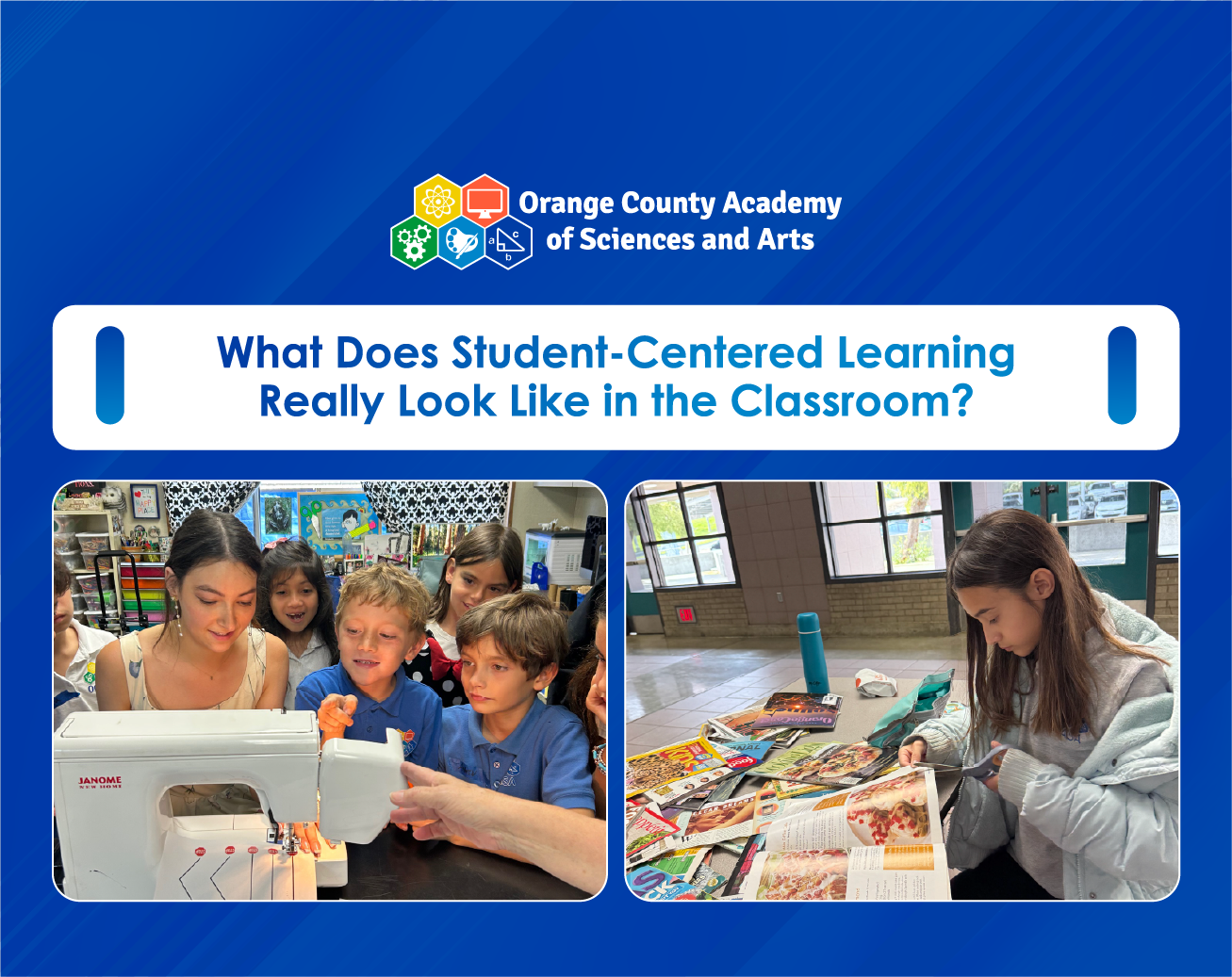
# What Does Student-Centered Learning Really Look Like in the Classroom
*Students don’t learn best by being told what to think. They learn when they are given the space to question, participate, and discover.*
Have you ever noticed how children light up when they get to do something their own way? That spark you see in their eyes is not just excitement; it's real learning happening in real time. That is exactly what student-centered learning is all about.
At OCASA, we believe that every child deserves more than a one-size-fits-all education. They deserve to be seen, heard, and taught in a way that works best for them. That's why we put students at the heart of everything we do, from the way our classrooms are designed to the way our teachers plan each and every lesson.
In this blog, we'll take a closer look at what student-centered learning really means, why it matters so much for your child's growth, and how OCASA brings it to life every single day.
## Why Student-Centered Learning Is Important
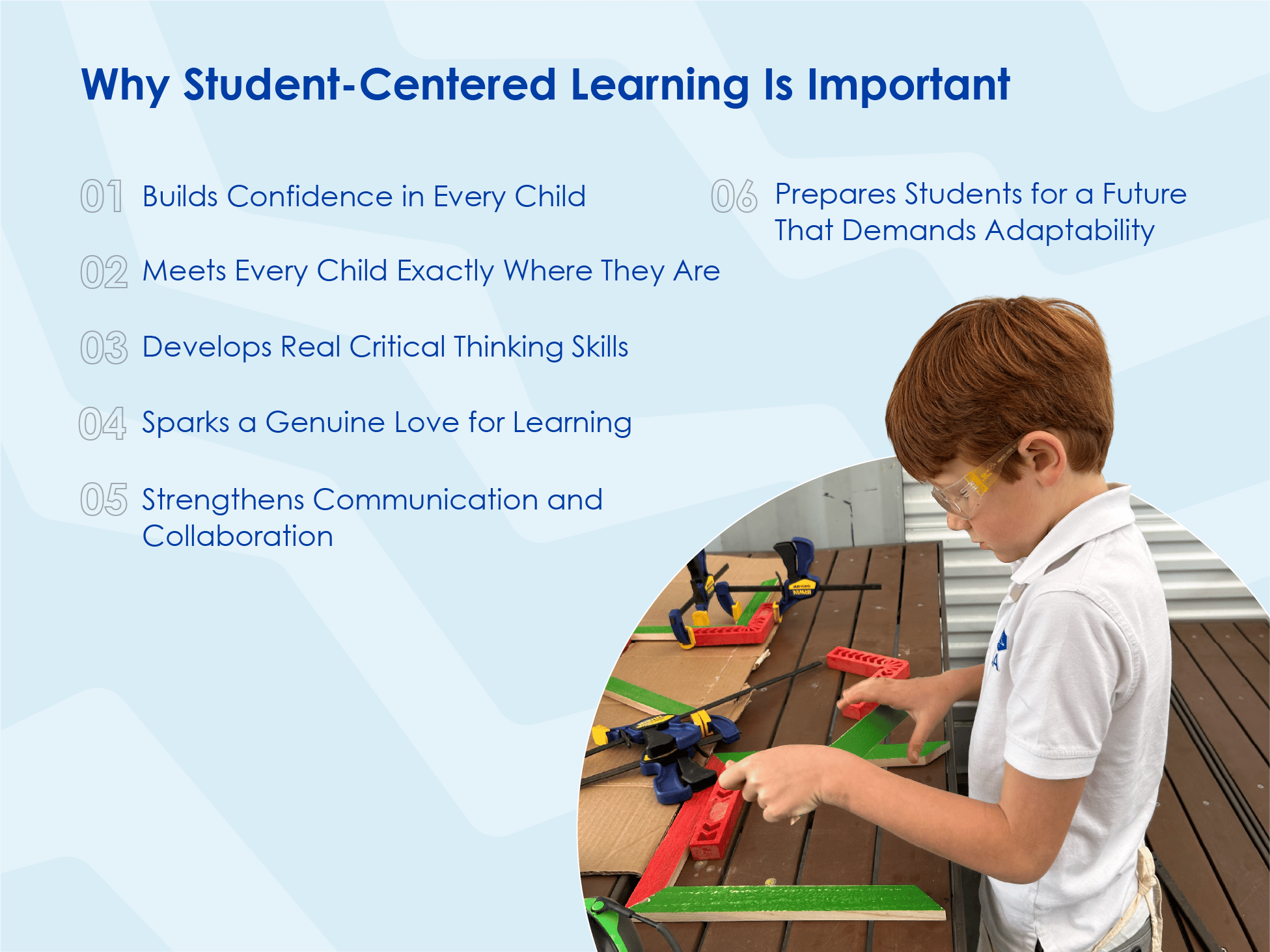
At OCASA, we shape tomorrow’s thinkers today by following a personalized education approach, because we believe that when children are given the right environment to thrive, they can truly achieve anything. Here is why a student-centered classroom makes all the difference:
### 1. Builds Confidence in Every Child
Think about the last time your child figured something out all on their own. Did you see how proud they felt? That sense of accomplishment does not happen by accident; it happens when children are given the space to try, explore, and succeed at their own pace.
In a student-centered classroom, children are not just passive listeners. They are active participants in their own learning journey. When kids feel heard and respected in the classroom, they start believing in themselves, and that confidence follows them far beyond the school walls.
### 2. Meets Every Child Exactly Where They Are
Not every child learns the same way, and that is completely okay. Some children understand a math concept the moment they see it on a board. Others need to build it with their hands, draw it out, or talk it through with a friend. With a personalized education approach, teachers do not wait for children to catch up; they come to where the child already is.
This is one of the most important child-led learning benefits, as it ensures that no child ever feels left behind or lost in the classroom and every student gets the attention and support they actually need.
### 3. Develops Real Critical Thinking Skills
Here is something worth thinking about: when children are simply told what to think, they memorize. But when they are asked the why and how of the concepts, they actually start thinking. That is the real difference that student-centered teaching strategies bring into a classroom.
Instead of just handing answers to the students, teachers in a student-centered classroom guide children to find the answers themselves. They ask open-ended questions, encourage discussions, and let students explore different possibilities. This way, children develop the kind of analytical thinking that helps them in school, at home, and in life.
### 4. Sparks a Genuine Love for Learning
Do you remember when your child first got really excited about something they discovered on their own? Maybe it was a bug in the garden, a story they made up, or a math pattern they noticed by themselves. That kind of curiosity is pure gold, and student-centered learning is designed to protect and grow this excitement.
When children have a say in what and how they learn, school stops feeling like something they have to do and starts feeling like something they want to do. And we all know that when kids love what they are doing, they excel at it.
### 5. Strengthens Communication and Collaboration
Learning is not a solo activity, and a student-centered classroom reflects that beautifully. When students work together on projects, share ideas during discussions, and solve problems as a team, they naturally develop communication skills that last a lifetime.
Through student-centered teaching strategies like group projects, peer discussions, and collaborative problem-solving, children learn how to express their thoughts clearly, listen to others with respect, and work together toward a shared goal. These are the same skills they will need in every career they will ever have.
### 6. Prepares Students for a Future That Demands Adaptability
The world our children will grow up in looks very different from the world we grew up in. Jobs that do not exist today will be the careers of tomorrow. And that’s why student-led learning matters so deeply right now.
A child who has been taught how to think, how to collaborate, how to solve problems, and how to adapt is a child who will be ready for anything. So student-centered learning doesn’t just prepare students for tests but also prepares them for life.
## How OCASA Brings Student-Centered Learning to Life
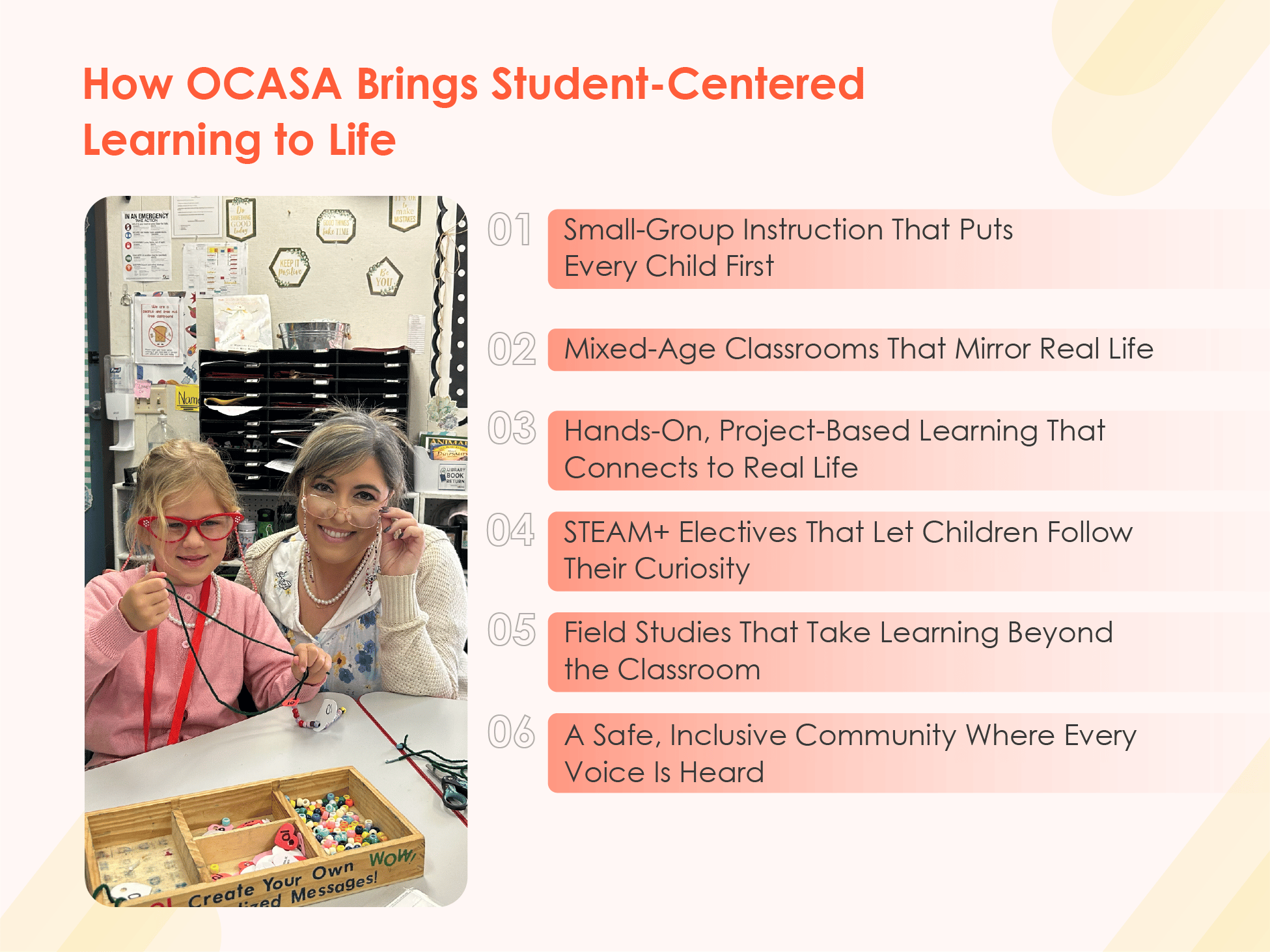
At OCASA, student-centered learning is not just a concept; it is something our students experience every single day. Through thoughtful programs, caring educators, and a classroom culture built on trust and curiosity, we make sure every child feels known, supported, and inspired. Here is how we do it:
- ### Small-Group Instruction That Puts Every Child First
Walk into any OCASA classroom and you will immediately notice something different: small groups of children working closely with their teacher, each group focused on exactly what they need at that moment. This is the foundation of our student-centered classroom model.
With small-group instruction, our teachers can truly see each child. Here, every student gets to learn at a pace that feels right for them, and no one ever has to feel invisible in a crowd.
- ### Mixed-Age Classrooms That Mirror Real Life
At OCASA, children from different grade levels learn together in the same classroom, and this is one of the most powerful student-centered teaching strategies we follow. Older students become mentors, and younger students are inspired by what they see around them.
In a mixed-age classroom, learning becomes a community experience. Children develop empathy, patience, and leadership naturally just by being around each other. They also get to revisit concepts in new ways each year, which deepens their understanding over time. This type of student-centered classroom truly reflects the way the real world works.
- ### Hands-On, Project-Based Learning That Connects to Real Life
At OCASA, we believe that children learn best when they are doing, not just watching or listening. That is why we use Inquiry Arc Projects and Project Lead the Way as part of our everyday learning experience. These are not just fun activities; they are carefully designed projects that challenge students to research, collaborate, create, and present real solutions to real problems.
When a child builds a bridge out of popsicle sticks and tests how much weight it can hold, they are not just doing a school project but are learning physics, engineering, teamwork, and resilience all at once. So are you wondering what the personalized education approach at OCASA looks like in action? It looks like engaged, active discovery.
- ### STEAM+ Electives That Let Children Follow Their Curiosity
One of the greatest child-led learning benefits is the freedom to explore what truly excites you. At OCASA, we offer STEAM+ electives that give students the chance to go deeper into science, technology, engineering, arts, and math in ways that connect to their own interests and strengths.
Whether a child is drawn to robotics, creative writing, or visual arts, our electives make space for that passion. When students get to choose paths that genuinely interest them, they become more engaged, more motivated, and more ready to put in the effort that real learning requires.
- ### Field Studies That Take Learning Beyond the Classroom
What is student-led learning if it only ever happens inside four walls? At OCASA, we take students out into the real world through field studies that turn everyday places into powerful learning experiences. A trip to a local farm, a science center, or a community organization becomes a chance for children to see their classroom learning come alive around them.
These real-world experiences are a core part of how we practice student-centered learning at OCASA. When children connect what they learn in school to what they see and experience outside of it, that knowledge sticks with them for life.
- ### A Safe, Inclusive Community Where Every Voice Is Heard
At the heart of every student-centered classroom is a simple but powerful idea: every child matters. At OCASA, we work hard to create a safe, inclusive environment where students feel comfortable asking questions, sharing their ideas, and even making mistakes.
Our teachers build genuine relationships with every child. They know their students' strengths, their challenges, and what makes them learn well. This kind of deep, personal connection is what makes our student-centered teaching strategies so effective. When a child feels truly known by their teacher, they show up fully, and that is when the real learning begins.
## Conclusion
Student-centered learning is the most natural way for children to grow. When kids are given the space to explore, question, create, and connect, they do not just learn more, they become more. More curious, more confident, and more ready for everything the world has waiting for them.
At OCASA, every classroom, every project, and every conversation is built around this belief. Through small-group instruction, mixed-age classrooms, hands-on projects, real-world field studies, and a community that genuinely cares, we make sure that every child's learning journey is personal, joyful, and full of possibility.
Because at OCASA, every child is known, supported, and inspired.
## Frequently Asked Questions
- 1\. What is student-centered learning, and how is it different from traditional learning?
Student-centered learning is an approach where the focus of education shifts from the teacher delivering information to the student actively participating in their own learning journey. Unlike traditional classrooms where every child is taught the same way at the same pace, a student-centered classroom allows children to learn through exploration, collaboration, and hands-on experiences that match their individual strengths and interests. The biggest difference is that children are not just receivers of knowledge; they become curious, confident thinkers who genuinely enjoy the process of learning.
- 2\. What are the main benefits of a student-centered classroom for young children?
When children learn in a student-centered environment, they develop confidence, critical thinking, strong communication skills, and a real love for learning. They also grow emotionally, as they learn to take ownership of their ideas, work through challenges, and respect the perspectives of others. These are the kinds of skills that help children thrive in school, in friendships, and eventually in their careers.
- 3\. What does a student-centered learning approach look like in real life?
A student-centered learning approach means that teachers meet every student at their current level, not at a level where the whole class is expected to be. In practice, this can look like small-group instruction where a teacher works closely with a few students at a time, hands-on projects that let children demonstrate understanding in different ways, or flexible learning activities that allow students to go deeper into topics they are curious about.
- 4\. What are some effective student-centered teaching strategies teachers use?
Some of the most effective student-centered teaching strategies include small-group instruction, project-based learning, inquiry-based activities, collaborative group work, and open-ended questioning. These strategies encourage children to think for themselves, share their ideas, and work through challenges rather than waiting to be given all the answers. At OCASA, our educators use a combination of these strategies alongside mixed-age classrooms and real-world field studies to make learning meaningful and engaging for every student.
- 5\. How does student-centered learning help children who struggle academically?
This is one of the most important things a parent needs to know. When a child is struggling, a student-centered classroom allows the teacher to identify that gap early and address it in a way that makes sense for that specific child, whether through a different explanation, a hands-on activity, or additional one-on-one time. Children who might feel lost in a large, traditional classroom often thrive when they are in a small, supportive environment where their needs are truly seen and met.
- 6\. How does OCASA's student-centered learning approach prepare children for the future?
At OCASA, our personalized education approach is designed to develop skills that go far beyond academics. Through student-centered learning, our students develop critical thinking, teamwork, creativity, and adaptability, which are exactly the skills that future careers and life will demand. Whether a child grows up to be an engineer, an artist, a scientist, or an entrepreneur, the confidence and curiosity they build through a student-centered classroom will serve them in every path they choose.
Written By: OCASA
### Related Blogs
[OCASA Capistrano Elementary](https://www.ocasa.org/news/tag/ocasa-capistrano-elementary) [OCASA Capistrano Middle School](https://www.ocasa.org/news/tag/ocasa-capistrano-middle-school) [OCASA Tustin](https://www.ocasa.org/news/tag/ocasa-tustin)
April 22, 2025 10:30 AM | OCASA
#### [Celebrate Earth Day with OCASA: A Journey of Discovery and Growth](https://www.ocasa.org/news/celebrate-earth-day-with-ocasa-a-journey-of-discovery-and-growth)
## Discovering Earth's Marvels
Embark on an adventure as we explore the wonders of Earth. From towering mountains to vast...
[Read more](https://www.ocasa.org/news/celebrate-earth-day-with-ocasa-a-journey-of-discovery-and-growth)
[OCASA Capistrano Elementary](https://www.ocasa.org/news/tag/ocasa-capistrano-elementary) [OCASA Capistrano Middle School](https://www.ocasa.org/news/tag/ocasa-capistrano-middle-school) [OCASA Tustin](https://www.ocasa.org/news/tag/ocasa-tustin)
March 18, 2026 10:00 AM | OCASA
#### [Orange County Business Journal Features OCASA’s New TK-5 Charter School in Tustin](https://www.ocasa.org/news/orange-county-business-journal-features-ocasa-new-tk-5-charter-school-in-tustin)
“Sometimes growth begins with a simple idea: create a place where children can truly enjoy learning.”
[Read more](https://www.ocasa.org/news/orange-county-business-journal-features-ocasa-new-tk-5-charter-school-in-tustin)
[OCASA Capistrano Elementary](https://www.ocasa.org/news/tag/ocasa-capistrano-elementary) [OCASA Capistrano Middle School](https://www.ocasa.org/news/tag/ocasa-capistrano-middle-school) [OCASA Tustin](https://www.ocasa.org/news/tag/ocasa-tustin)
April 09, 2025 10:00 AM | OCASA
#### [Why STEAM Education Is Essential for Your Child’s Growth](https://www.ocasa.org/news/why-steam-education-is-essential-for-your-childs-growth)
Education is not just learning facts but developing the mind to think critically and creatively. At OCASA, we provide...
[Read more](https://www.ocasa.org/news/why-steam-education-is-essential-for-your-childs-growth)
%20_653%20X%20518%20_%202%20copy%206.webp?height=245&name=Blog%20images(Empowering%20Young%20Innovators)%20_653%20X%20518%20_%202%20copy%206.webp)
[OCASA Capistrano Elementary](https://www.ocasa.org/news/tag/ocasa-capistrano-elementary) [OCASA Capistrano Middle School](https://www.ocasa.org/news/tag/ocasa-capistrano-middle-school) [OCASA Tustin](https://www.ocasa.org/news/tag/ocasa-tustin)
June 18, 2025 10:00 AM | OCASA
#### [Empowering Young Innovators: Student-Driven STEAM Projects at OCASA](https://www.ocasa.org/news/empowering-young-innovators-student-driven-steam-projects-at-ocasa)
As technology is the key to modernized education, children must begin early learning through hands-on experience....
[Read more](https://www.ocasa.org/news/empowering-young-innovators-student-driven-steam-projects-at-ocasa)
.webp?height=245&name=mothers%20day-18%20(1).webp)
[OCASA Capistrano Elementary](https://www.ocasa.org/news/tag/ocasa-capistrano-elementary) [OCASA Capistrano Middle School](https://www.ocasa.org/news/tag/ocasa-capistrano-middle-school) [OCASA Tustin](https://www.ocasa.org/news/tag/ocasa-tustin)
May 07, 2025 10:00 AM | OCASA
#### [Mother's Day Celebration 2025 at OCASA: Priceless Ways to Celebrate Mom](https://www.ocasa.org/news/mothers-day-celebration-2025-at-ocasa-priceless-ways-to-celebrate-mom)
On Mother’s Day, let’s celebrate the women who raised us.
[Read more](https://www.ocasa.org/news/mothers-day-celebration-2025-at-ocasa-priceless-ways-to-celebrate-mom)
[OCASA Capistrano Elementary](https://www.ocasa.org/news/tag/ocasa-capistrano-elementary) [OCASA Capistrano Middle School](https://www.ocasa.org/news/tag/ocasa-capistrano-middle-school) [OCASA Tustin](https://www.ocasa.org/news/tag/ocasa-tustin)
July 29, 2024 08:00 AM | OCASA
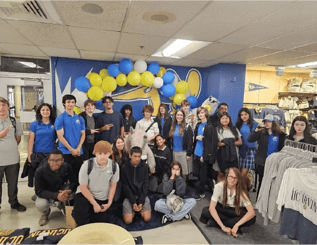
#### [Personalized Learning and Mentoring at OCASA College Prep](https://www.ocasa.org/news/mastery-mentoring-self-directed-learning-at-ocasa-college-prep)
At OCASA College Prep, we have created a unique learning environment that focuses not only on academic excellence but...
[Read more](https://www.ocasa.org/news/mastery-mentoring-self-directed-learning-at-ocasa-college-prep)
[OCASA Capistrano Elementary](https://www.ocasa.org/news/tag/ocasa-capistrano-elementary) [OCASA Capistrano Middle School](https://www.ocasa.org/news/tag/ocasa-capistrano-middle-school) [OCASA Tustin](https://www.ocasa.org/news/tag/ocasa-tustin)
August 06, 2025 10:00 AM | OCASA
#### [How Joining School Clubs Can Boost Kids’ Confidence and Skills](https://www.ocasa.org/news/how-joining-school-clubs-can-boost-kids-confidence-and-skills)
“When students explore new interests together, they grow in ways that change their entire learning experience.”
[Read more](https://www.ocasa.org/news/how-joining-school-clubs-can-boost-kids-confidence-and-skills)
[OCASA Capistrano Elementary](https://www.ocasa.org/news/tag/ocasa-capistrano-elementary) [OCASA Capistrano Middle School](https://www.ocasa.org/news/tag/ocasa-capistrano-middle-school) [OCASA Tustin](https://www.ocasa.org/news/tag/ocasa-tustin)
December 03, 2025 10:00 AM | OCASA
#### [How OCASA Prepares Students for a Bright Future](https://www.ocasa.org/news/how-ocasa-prepares-students-for-a-bright-future)
“Education is the most powerful tool we can use to shape the future.”
[Read more](https://www.ocasa.org/news/how-ocasa-prepares-students-for-a-bright-future)
[OCASA Capistrano Elementary](https://www.ocasa.org/news/tag/ocasa-capistrano-elementary) [OCASA Capistrano Middle School](https://www.ocasa.org/news/tag/ocasa-capistrano-middle-school) [OCASA Tustin](https://www.ocasa.org/news/tag/ocasa-tustin)
July 16, 2025 10:00 AM | OCASA
#### [Benefits of Mixed-Age Classrooms for Students](https://www.ocasa.org/news/benefits-of-mixed-age-classrooms-for-students)
“In mixed-age classrooms, every child is a learner and a teacher, both.”
[Read more](https://www.ocasa.org/news/benefits-of-mixed-age-classrooms-for-students)
[OCASA Capistrano Elementary](https://www.ocasa.org/news/tag/ocasa-capistrano-elementary) [OCASA Capistrano Middle School](https://www.ocasa.org/news/tag/ocasa-capistrano-middle-school) [OCASA Tustin](https://www.ocasa.org/news/tag/ocasa-tustin)
August 27, 2024 12:06 PM | OCASA
#### [OCASA Honored as Best Public School in Laguna Niguel](https://www.ocasa.org/news/ocasa-named-best-public-school-in-laguna-niguel)
## The Best of Laguna Niguel Presented by the Laguna Niguel Chamber of Commerce
The Best of Laguna Niguel was an...
[Read more](https://www.ocasa.org/news/ocasa-named-best-public-school-in-laguna-niguel)
[OCASA Capistrano Elementary](https://www.ocasa.org/news/tag/ocasa-capistrano-elementary) [OCASA Capistrano Middle School](https://www.ocasa.org/news/tag/ocasa-capistrano-middle-school) [OCASA Tustin](https://www.ocasa.org/news/tag/ocasa-tustin)
July 01, 2026 10:00 AM | OCASA
#### [More Than a New Building: Bringing the OCASA Learning Experience to Tustin](https://www.ocasa.org/news/more-than-a-new-building-bringing-the-ocasa-learning-experience-to-tustin)
*“A great school is not only built with classrooms but also with care, connection, and opportunities for children to...*
[Read more](https://www.ocasa.org/news/more-than-a-new-building-bringing-the-ocasa-learning-experience-to-tustin)
[OCASA Capistrano Elementary](https://www.ocasa.org/news/tag/ocasa-capistrano-elementary) [OCASA Capistrano Middle School](https://www.ocasa.org/news/tag/ocasa-capistrano-middle-school) [OCASA Tustin](https://www.ocasa.org/news/tag/ocasa-tustin)
February 07, 2025 08:00 AM | OCASA
#### [Welcome OCASA's New Board Members: Skyler Daviss and Dr. Alice Pak](https://www.ocasa.org/news/welcome-new-board-members)
## Meet Our New Board Members:
### Skyler Daviss
## Managing Director, School Quality Support, California Charter Schools...
[Read more](https://www.ocasa.org/news/welcome-new-board-members)
[OCASA Capistrano Elementary](https://www.ocasa.org/news/tag/ocasa-capistrano-elementary) [OCASA Capistrano Middle School](https://www.ocasa.org/news/tag/ocasa-capistrano-middle-school) [OCASA Tustin](https://www.ocasa.org/news/tag/ocasa-tustin)
July 15, 2024 08:00 AM | OCASA College Prep
#### [Celebrating OCASA College Prep's 2023-24 Achievements](https://www.ocasa.org/news/celebrating-success-a-reflection-on-ocasa-college-preps-2023-24-school-year)
Dive into the milestones and memorable moments that defined OCASA College Prep's exceptional 2023-24 academic year.
[Read more](https://www.ocasa.org/news/celebrating-success-a-reflection-on-ocasa-college-preps-2023-24-school-year)
[OCASA Capistrano Elementary](https://www.ocasa.org/news/tag/ocasa-capistrano-elementary) [OCASA Capistrano Middle School](https://www.ocasa.org/news/tag/ocasa-capistrano-middle-school) [OCASA Tustin](https://www.ocasa.org/news/tag/ocasa-tustin)
July 23, 2024 03:25 PM | OCASA
#### [OCASA Elementary School Supply List for a Successful Year](https://www.ocasa.org/news/ocasa-elementary-school-supply-list-now-available)
Get ready for the new school year with ease! OCASA Elementary School's latest supply list is now online, ensuring your...
[Read more](https://www.ocasa.org/news/ocasa-elementary-school-supply-list-now-available)
[OCASA Capistrano Elementary](https://www.ocasa.org/news/tag/ocasa-capistrano-elementary) [OCASA Capistrano Middle School](https://www.ocasa.org/news/tag/ocasa-capistrano-middle-school) [OCASA Tustin](https://www.ocasa.org/news/tag/ocasa-tustin)
October 18, 2024 08:58 AM | OCASA College Prep PTSA
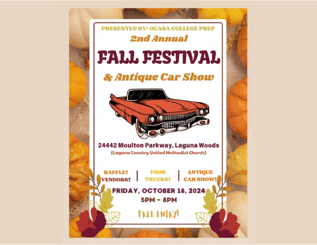
#### [Join OCASA College Prep Fall Festival for Fun and Learning](https://www.ocasa.org/news/ocasa-college-prep-fall-festival)
🎉 Join us for the OCASA College Prep 2nd Annual Fall Festival! 🍂✨ Enjoy shopping with our amazing vendors, eating...
[Read more](https://www.ocasa.org/news/ocasa-college-prep-fall-festival)
-1.png?height=245&name=image%20(14)-1.png)
[OCASA Capistrano Elementary](https://www.ocasa.org/news/tag/ocasa-capistrano-elementary) [OCASA Capistrano Middle School](https://www.ocasa.org/news/tag/ocasa-capistrano-middle-school) [OCASA Tustin](https://www.ocasa.org/news/tag/ocasa-tustin)
April 02, 2025 10:00 AM | OCASA
#### [Innovative Curriculum Designs That Prepare Kids for the Future](https://www.ocasa.org/news/innovative-curriculum-designs-that-prepare-kids-for-the-future)
In the ever-changing world of education, the aspects of learning are evolving day by day, making innovative learning...
[Read more](https://www.ocasa.org/news/innovative-curriculum-designs-that-prepare-kids-for-the-future)
[OCASA Capistrano Elementary](https://www.ocasa.org/news/tag/ocasa-capistrano-elementary) [OCASA Capistrano Middle School](https://www.ocasa.org/news/tag/ocasa-capistrano-middle-school) [OCASA Tustin](https://www.ocasa.org/news/tag/ocasa-tustin)
August 18, 2024 12:45 PM | OCASA
#### [OCASA Students Shine at Prestigious Art Festival](https://www.ocasa.org/news/ocasa-students-shine-at-the-festival-of-the-arts-junior-art-exhibit)
We are thrilled to announce that several talented students from OCASA were recently honored at the prestigious Festival...
[Read more](https://www.ocasa.org/news/ocasa-students-shine-at-the-festival-of-the-arts-junior-art-exhibit)
.webp?height=245&name=Hands-on%20Learning%20to%20Revolutionize%20Core%20Education-09-09%20(1).webp)
[OCASA Capistrano Elementary](https://www.ocasa.org/news/tag/ocasa-capistrano-elementary) [OCASA Capistrano Middle School](https://www.ocasa.org/news/tag/ocasa-capistrano-middle-school) [OCASA Tustin](https://www.ocasa.org/news/tag/ocasa-tustin)
April 23, 2025 10:00 AM | OCASA
#### [Hands-on Learning to Revolutionize Core Education](https://www.ocasa.org/news/hands-on-learning-to-revolutionize-core-education)
While the concept of hands-on learning may be new to some, it quickly becomes clear how powerful and rewarding it is...
[Read more](https://www.ocasa.org/news/hands-on-learning-to-revolutionize-core-education)
[OCASA Capistrano Elementary](https://www.ocasa.org/news/tag/ocasa-capistrano-elementary) [OCASA Capistrano Middle School](https://www.ocasa.org/news/tag/ocasa-capistrano-middle-school) [OCASA Tustin](https://www.ocasa.org/news/tag/ocasa-tustin)
August 20, 2025 10:00 AM | OCASA
#### [The Joy of Learning: How Fun and Academic Excellence Can Go Hand-in-Hand](https://www.ocasa.org/news/the-joy-of-learning-how-fun-and-academic-excellence-can-go-hand-in-hand)
“Students thrive best when learning feels exciting, engaging, and full of purpose.”
[Read more](https://www.ocasa.org/news/the-joy-of-learning-how-fun-and-academic-excellence-can-go-hand-in-hand)
-11.webp?height=245&name=Blog(%20The%20Magic%20of%20Reading)-11.webp)
[OCASA Capistrano Elementary](https://www.ocasa.org/news/tag/ocasa-capistrano-elementary) [OCASA Capistrano Middle School](https://www.ocasa.org/news/tag/ocasa-capistrano-middle-school) [OCASA Tustin](https://www.ocasa.org/news/tag/ocasa-tustin)
April 30, 2025 10:00 AM | OCASA
#### [The Magic of Reading: How Reading Books at an Early Age Shapes Lifelong Learners](https://www.ocasa.org/news/the-magic-of-reading-how-reading-books-at-an-early-age-shapes-lifelong-learners)
## A book is a dream you hold in your hands.
At OCASA, we believe that reading is not just about words on a page; it's...
[Read more](https://www.ocasa.org/news/the-magic-of-reading-how-reading-books-at-an-early-age-shapes-lifelong-learners)
[OCASA Capistrano Elementary](https://www.ocasa.org/news/tag/ocasa-capistrano-elementary) [OCASA Capistrano Middle School](https://www.ocasa.org/news/tag/ocasa-capistrano-middle-school) [OCASA Tustin](https://www.ocasa.org/news/tag/ocasa-tustin)
October 08, 2025 10:00 AM | OCASA
#### [OCASA at the Learn and Grow Fair: Inspiring Families Through Hands-On Learning](https://www.ocasa.org/news/ocasa-at-the-learn-and-grow-fair-inspiring-families-through-hands-on-learning)
*“Every new connection begins with a simple spark of curiosity.”*
[Read more](https://www.ocasa.org/news/ocasa-at-the-learn-and-grow-fair-inspiring-families-through-hands-on-learning)
.webp?height=245&name=celebrating-the-incredible-staff-at-ocasa-01%20(1).webp)
[OCASA Capistrano Elementary](https://www.ocasa.org/news/tag/ocasa-capistrano-elementary) [OCASA Capistrano Middle School](https://www.ocasa.org/news/tag/ocasa-capistrano-middle-school) [OCASA Tustin](https://www.ocasa.org/news/tag/ocasa-tustin)
August 08, 2024 08:00 AM | OCASA
#### [Honoring the Team Behind OCASA’s Educational Excellence](https://www.ocasa.org/news/celebrating-the-incredible-staff-at-ocasa)
At OCASA, our dedicated and talented staff are the heart of our community. Their commitment to our mission and values...
[Read more](https://www.ocasa.org/news/celebrating-the-incredible-staff-at-ocasa)
[OCASA Capistrano Elementary](https://www.ocasa.org/news/tag/ocasa-capistrano-elementary) [OCASA Capistrano Middle School](https://www.ocasa.org/news/tag/ocasa-capistrano-middle-school) [OCASA Tustin](https://www.ocasa.org/news/tag/ocasa-tustin)
September 23, 2024 08:21 PM | STEAM+
#### [OCASA Elementary Inspires Creativity with iPads and Robots](https://www.ocasa.org/news/steam-at-ocasa-elementary-started-the-school-year-learning-how-to-create-with-ipads-and-robots)
| **September 2024 Highlights** |
| --- |
| Red Band- TK students used sensory bags with shaving cream to practice... |
[Read more](https://www.ocasa.org/news/steam-at-ocasa-elementary-started-the-school-year-learning-how-to-create-with-ipads-and-robots)
[OCASA Capistrano Elementary](https://www.ocasa.org/news/tag/ocasa-capistrano-elementary) [OCASA Capistrano Middle School](https://www.ocasa.org/news/tag/ocasa-capistrano-middle-school) [OCASA Tustin](https://www.ocasa.org/news/tag/ocasa-tustin)
July 30, 2024 08:00 AM | OCASA
#### [Discover STEAM+ & the Inquiry Arc at OCASA Elementary](https://www.ocasa.org/news/steam-the-inquiry-arc-at-ocasa-elementary)
OCASA Elementary is paving the way for innovative education with its STEAM+ program and Inquiry Arc program. These two...
[Read more](https://www.ocasa.org/news/steam-the-inquiry-arc-at-ocasa-elementary)
[OCASA Capistrano Elementary](https://www.ocasa.org/news/tag/ocasa-capistrano-elementary) [OCASA Capistrano Middle School](https://www.ocasa.org/news/tag/ocasa-capistrano-middle-school) [OCASA Tustin](https://www.ocasa.org/news/tag/ocasa-tustin)
September 23, 2024 09:40 PM | OCASA
#### [Introducing the Principal of OCASA Elementary](https://www.ocasa.org/news/meet-ocasas-principals)
## Dr. Beddow-Schubert - Principal, OCASA Elementary
Dr. Beddow-Schubert brings a wealth of experience and passion to her...
[Read more](https://www.ocasa.org/news/meet-ocasas-principals)
[OCASA Capistrano Elementary](https://www.ocasa.org/news/tag/ocasa-capistrano-elementary) [OCASA Capistrano Middle School](https://www.ocasa.org/news/tag/ocasa-capistrano-middle-school) [OCASA Tustin](https://www.ocasa.org/news/tag/ocasa-tustin)
September 02, 2026 10:00 AM | OCASA
#### [The Importance of Play in Early Childhood Education](https://www.ocasa.org/news/the-importance-of-play-in-early-childhood-education)
*"For children, play is not a break from learning. It is one of the most important ways they learn about the world...*
[Read more](https://www.ocasa.org/news/the-importance-of-play-in-early-childhood-education)
.webp?height=245&name=Library1.1%20(1).webp)
[OCASA Capistrano Elementary](https://www.ocasa.org/news/tag/ocasa-capistrano-elementary) [OCASA Capistrano Middle School](https://www.ocasa.org/news/tag/ocasa-capistrano-middle-school) [OCASA Tustin](https://www.ocasa.org/news/tag/ocasa-tustin)
October 21, 2024 08:00 AM | OCASA Elementary PTSA
#### [OCASA Elementary School Unveils New Library Facility](https://www.ocasa.org/news/ocasa-elementarys-new-library-is-now-open)
We are excited to announce that the OCASA PTSA Library Committee has successfully relaunched our school library! Our...
[Read more](https://www.ocasa.org/news/ocasa-elementarys-new-library-is-now-open)
[OCASA Capistrano Elementary](https://www.ocasa.org/news/tag/ocasa-capistrano-elementary) [OCASA Capistrano Middle School](https://www.ocasa.org/news/tag/ocasa-capistrano-middle-school) [OCASA Tustin](https://www.ocasa.org/news/tag/ocasa-tustin)
September 03, 2025 10:00 AM | OCASA
#### [Celebrating Community and Curiosity: OCASA at the Sea Country Festival](https://www.ocasa.org/news/celebrating-community-and-curiosity-ocasa-at-the-sea-country-festival)
*“At a fair, children laugh, explore, and discover, and that is learning at its best.”*
[Read more](https://www.ocasa.org/news/celebrating-community-and-curiosity-ocasa-at-the-sea-country-festival)
[OCASA Capistrano Elementary](https://www.ocasa.org/news/tag/ocasa-capistrano-elementary) [OCASA Capistrano Middle School](https://www.ocasa.org/news/tag/ocasa-capistrano-middle-school) [OCASA Tustin](https://www.ocasa.org/news/tag/ocasa-tustin)
May 06, 2026 10:00 AM | OCASA
#### [The Role of Family Engagement in Student Achievement](https://www.ocasa.org/news/the-role-of-family-engagement-in-student-achievement)
“When families and schools work together, students grow stronger, more confident, and more successful.”
[Read more](https://www.ocasa.org/news/the-role-of-family-engagement-in-student-achievement)
[OCASA Capistrano Elementary](https://www.ocasa.org/news/tag/ocasa-capistrano-elementary) [OCASA Capistrano Middle School](https://www.ocasa.org/news/tag/ocasa-capistrano-middle-school) [OCASA Tustin](https://www.ocasa.org/news/tag/ocasa-tustin)
September 17, 2025 10:00 AM | OCASA
#### [Personalized Learning in Action: How OCASA Helps Every Student Thrive](https://www.ocasa.org/news/personalized-learning-in-action-how-ocasa-helps-every-student-thrive)
“*Every child learns in their own way, and when we honor that, amazing things begin to happen.*”
[Read more](https://www.ocasa.org/news/personalized-learning-in-action-how-ocasa-helps-every-student-thrive)
[OCASA Capistrano Elementary](https://www.ocasa.org/news/tag/ocasa-capistrano-elementary) [OCASA Capistrano Middle School](https://www.ocasa.org/news/tag/ocasa-capistrano-middle-school) [OCASA Tustin](https://www.ocasa.org/news/tag/ocasa-tustin)
January 08, 2026 10:00 AM | OCASA
#### [OCASA in the Spotlight: Founder Kapil Mathur Shares the Vision Behind Student-Centered Learning](https://www.ocasa.org/news/ocasa-in-the-spotlight-founder-kapil-mathur-shares-the-vision-behind-student-centered-learning)
"When schools are built around children, learning becomes something students want to be part of."
[Read more](https://www.ocasa.org/news/ocasa-in-the-spotlight-founder-kapil-mathur-shares-the-vision-behind-student-centered-learning)
[OCASA Capistrano Elementary](https://www.ocasa.org/news/tag/ocasa-capistrano-elementary) [OCASA Capistrano Middle School](https://www.ocasa.org/news/tag/ocasa-capistrano-middle-school) [OCASA Tustin](https://www.ocasa.org/news/tag/ocasa-tustin)
February 27, 2025 10:00 AM | OCASA
#### [How OCASA’s Zones of Regulation Support Kid's Emotions](https://www.ocasa.org/news/social-emotional-learning-at-ocasa-how-the-zones-of-regulation-help)
**How does your child feel today?**
Choosing the right school for your child is not just about academics; it is about...
[Read more](https://www.ocasa.org/news/social-emotional-learning-at-ocasa-how-the-zones-of-regulation-help)
.webp?height=245&name=Main%20Banner@2x%20(1).webp)
[OCASA Capistrano Elementary](https://www.ocasa.org/news/tag/ocasa-capistrano-elementary) [OCASA Capistrano Middle School](https://www.ocasa.org/news/tag/ocasa-capistrano-middle-school) [OCASA Tustin](https://www.ocasa.org/news/tag/ocasa-tustin)
April 16, 2025 10:00 AM | OCASA
#### [Why OCASA Schools Are a Great Choice for Your Child](https://www.ocasa.org/news/why-ocasa-schools-are-a-great-choice-for-your-child)
Every parent wants the best for their kids in education. Students deserve a quality educational experience that...
[Read more](https://www.ocasa.org/news/why-ocasa-schools-are-a-great-choice-for-your-child)
[OCASA Capistrano Elementary](https://www.ocasa.org/news/tag/ocasa-capistrano-elementary) [OCASA Capistrano Middle School](https://www.ocasa.org/news/tag/ocasa-capistrano-middle-school) [OCASA Tustin](https://www.ocasa.org/news/tag/ocasa-tustin)
April 08, 2026 10:00 AM | OCASA
#### [The Importance of Arts & Music in a STEAM Curriculum](https://www.ocasa.org/news/the-importance-of-arts-music-in-a-steam-curriculum)
“Learning becomes powerful when students are free to explore through art, music, and creativity."
[Read more](https://www.ocasa.org/news/the-importance-of-arts-music-in-a-steam-curriculum)
[OCASA Capistrano Elementary](https://www.ocasa.org/news/tag/ocasa-capistrano-elementary) [OCASA Capistrano Middle School](https://www.ocasa.org/news/tag/ocasa-capistrano-middle-school) [OCASA Tustin](https://www.ocasa.org/news/tag/ocasa-tustin)
February 03, 2025 03:12 AM | OCASA
#### [Enrollment Open for 2025-26 School Year – Apply Now for a Bright Future!](https://www.ocasa.org/news/enrollment-open-for-2025-26-school-year)
## Start Your Child's Future Today!
The open enrollment period at OCASA school is your gateway to an exceptional education...
[Read more](https://www.ocasa.org/news/enrollment-open-for-2025-26-school-year)
[OCASA Capistrano Elementary](https://www.ocasa.org/news/tag/ocasa-capistrano-elementary) [OCASA Capistrano Middle School](https://www.ocasa.org/news/tag/ocasa-capistrano-middle-school) [OCASA Tustin](https://www.ocasa.org/news/tag/ocasa-tustin)
March 21, 2025 10:00 AM | OCASA
#### [The Power of a Smile: How OCASA Creates a Happy School Experience](https://www.ocasa.org/news/the-power-of-a-smile-how-ocasa-creates-a-happy-school-experience)
## A School That Begins and Ends with a Smile
At OCASA, we believe that every child deserves to start their school day...
[Read more](https://www.ocasa.org/news/the-power-of-a-smile-how-ocasa-creates-a-happy-school-experience)
.webp?height=245&name=What%20Does%20Student-Centered%20Learning@2x%20(1).webp)
[OCASA Capistrano Elementary](https://www.ocasa.org/news/tag/ocasa-capistrano-elementary) [OCASA Capistrano Middle School](https://www.ocasa.org/news/tag/ocasa-capistrano-middle-school) [OCASA Tustin](https://www.ocasa.org/news/tag/ocasa-tustin)
August 05, 2026 10:00 AM | OCASA
#### [Project-Based Learning: How Real-World Projects Prepare Kids for the Future](https://www.ocasa.org/news/project-based-learning-how-real-world-projects-prepare-kids-for-the-future)
*"Children learn best when they can explore, create, and see how their learning connects to the world around them."*
[Read more](https://www.ocasa.org/news/project-based-learning-how-real-world-projects-prepare-kids-for-the-future)
[OCASA Capistrano Elementary](https://www.ocasa.org/news/tag/ocasa-capistrano-elementary) [OCASA Capistrano Middle School](https://www.ocasa.org/news/tag/ocasa-capistrano-middle-school) [OCASA Tustin](https://www.ocasa.org/news/tag/ocasa-tustin)
March 04, 2026 10:00 AM | OCASA
#### [Small-Group Instruction: Why Close Teacher–Student Connections Matter](https://www.ocasa.org/news/small-group-instruction-why-close-teacher-student-connections-matter)
“Students may not remember every lesson, but they will always remember how a teacher made them feel.”
[Read more](https://www.ocasa.org/news/small-group-instruction-why-close-teacher-student-connections-matter)
.webp?height=245&name=smart%20learning-16%20(2).webp)
[OCASA Capistrano Elementary](https://www.ocasa.org/news/tag/ocasa-capistrano-elementary) [OCASA Capistrano Middle School](https://www.ocasa.org/news/tag/ocasa-capistrano-middle-school) [OCASA Tustin](https://www.ocasa.org/news/tag/ocasa-tustin)
May 21, 2025 10:00 AM | OCASA
#### [Smart Learning: How Technology Makes Education More Effective](https://www.ocasa.org/news/smart-learning-how-technology-makes-education-more-effective)
**Learning with technology is like carrying a classroom in your backpack.**
[Read more](https://www.ocasa.org/news/smart-learning-how-technology-makes-education-more-effective)
[OCASA Capistrano Elementary](https://www.ocasa.org/news/tag/ocasa-capistrano-elementary) [OCASA Capistrano Middle School](https://www.ocasa.org/news/tag/ocasa-capistrano-middle-school) [OCASA Tustin](https://www.ocasa.org/news/tag/ocasa-tustin)
July 17, 2024 04:00 PM | OCASA
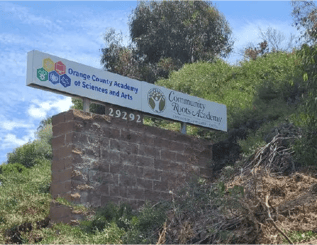
#### [New Sign - A preview of a refreshed campus at OCASA Elementary](https://www.ocasa.org/news/new-sign-a-preview-of-a-refreshed-campus-at-ocasa-elementary)
We are excited to announce the installation of a new sign on Crown Valley Parkway that will make our school campus...
[Read more](https://www.ocasa.org/news/new-sign-a-preview-of-a-refreshed-campus-at-ocasa-elementary)
[OCASA Capistrano Elementary](https://www.ocasa.org/news/tag/ocasa-capistrano-elementary) [OCASA Capistrano Middle School](https://www.ocasa.org/news/tag/ocasa-capistrano-middle-school) [OCASA Tustin](https://www.ocasa.org/news/tag/ocasa-tustin)
June 04, 2025 10:00 AM | OCASA
#### [Importance of Critical Thinking in Early Education](https://www.ocasa.org/news/importance-of-critical-thinking-in-early-education)
**“Teach a child to think, and the world opens up to them.”**
[Read more](https://www.ocasa.org/news/importance-of-critical-thinking-in-early-education)
[OCASA Capistrano Elementary](https://www.ocasa.org/news/tag/ocasa-capistrano-elementary) [OCASA Capistrano Middle School](https://www.ocasa.org/news/tag/ocasa-capistrano-middle-school) [OCASA Tustin](https://www.ocasa.org/news/tag/ocasa-tustin)
July 02, 2025 10:00 AM | OCASA
#### [The Impact of After-School Programs on Academic Success](https://www.ocasa.org/news/the-impact-of-after-school-programs-on-academic-success)
“Learning doesn’t stop when school ends; sometimes, that’s just when the magic begins.”
[Read more](https://www.ocasa.org/news/the-impact-of-after-school-programs-on-academic-success)
[OCASA Capistrano Elementary](https://www.ocasa.org/news/tag/ocasa-capistrano-elementary) [OCASA Capistrano Middle School](https://www.ocasa.org/news/tag/ocasa-capistrano-middle-school) [OCASA Tustin](https://www.ocasa.org/news/tag/ocasa-tustin)
February 04, 2026 10:00 AM | OCASA
#### [A Parent’s Guide to Helping Kids Transition from Elementary to Middle School](https://www.ocasa.org/news/a-parents-guide-to-helping-kids-transition-from-elementary-to-middle-school)
“Change can feel big, but with the right support, it becomes a chance to grow.”
[Read more](https://www.ocasa.org/news/a-parents-guide-to-helping-kids-transition-from-elementary-to-middle-school)
[OCASA Capistrano Elementary](https://www.ocasa.org/news/tag/ocasa-capistrano-elementary) [OCASA Capistrano Middle School](https://www.ocasa.org/news/tag/ocasa-capistrano-middle-school) [OCASA Tustin](https://www.ocasa.org/news/tag/ocasa-tustin)
June 15, 2024 10:13 AM | Coach Dickerson
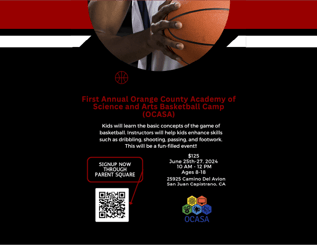
#### [OCASA Summer Basketball Camp for All Skill Levels](https://www.ocasa.org/news/ocasas-summer-basketball-camp)
[Read more](https://www.ocasa.org/news/ocasas-summer-basketball-camp)
## Stay Informed
**Get the latest OCASA updates and stories**

[ OCASA Tustin 1820 E. 1st Street, Santa Ana, CA 92705](https://www.ocasa.org/en-us/ocasa-tustin)
[ OCASA Capistrano Elementary 29292 Crown Valley Parkway, Laguna Niguel, CA 92677](https://www.ocasa.org/en-us/ocasa-capistrano-elementary)
[ OCASA Capistrano Middle School 2A Liberty, Aliso Viejo, CA 92656](https://www.ocasa.org/en-us/ocasa-capistrano-middle-school)
Board Agenda
- [Board Meetings](https://www.ocasa.org/en-us/board#calenders)
- [Governing Documents](https://www.ocasa.org/en-us/board#documnets)
##### Contact Us

Address: OCASA Headquarters
1820 E. 1st Street, Santa Ana,
CA 92705

Phone: 949-269-3290
.svg)
Email: admissions@ocasa.org
Socials
-
-
-
-
© 2026 Orange County Academy of Sciences and Arts, Inc. All rights reserved.
- [Terms of use](https://www.ocasa.org/en-us/terms-of-use)
- [Privacy Policy](https://www.ocasa.org/en-us/privacy-policy)
- [Sitemap](https://www.ocasa.org/en-us/sitemap)
[ OCASA Tustin 1820 E. 1st Street, Santa Ana, CA 92705](https://www.ocasa.org/en-us/ocasa-tustin)
[ OCASA Capistrano Elementary 29292 Crown Valley Parkway, Laguna Niguel, CA 92677](https://www.ocasa.org/en-us/ocasa-capistrano-elementary)
[ OCASA Capistrano Middle School 2A Liberty, Aliso Viejo, CA 92656](https://www.ocasa.org/en-us/ocasa-capistrano-middle-school)
##### Board Agenda
- [Board Meetings](https://www.ocasa.org/en-us/board#calenders)
- [Governing Documents](https://www.ocasa.org/en-us/board#documnets)
Contact Us

Address: OCASA Headquarters
1820 E. 1st Street, Santa Ana,
CA 92705

Phone: 949-269-3290
.svg)
Email: admissions@ocasa.org
-
-
-
-
- [Terms of use](https://www.ocasa.org/en-us/terms-of-use)
- [Privacy Policy](https://www.ocasa.org/en-us/privacy-policy)
- [Sitemap](https://www.ocasa.org/en-us/sitemap)
© 2026 Orange County Academy of Sciences and Arts, Inc. All rights reserved.
```json
{
"@context" : "https://schema.org",
"@type" : "BlogPosting",
"author" : {
"@type" : "Person",
"name" : "OCASA",
"url" : "https://www.ocasa.org/news/author/ocasa"
},
"dateModified" : "2026-06-03T17:00:02.072Z",
"datePublished" : "2026-06-03T17:00:02.000Z",
"headline" : "What Does Student-Centered Learning Really Look Like in the Classroom",
"image" : [ "https://www.ocasa.org/hubfs/What%20Does%20Student-Centered%20Learning@2x.webp" ],
"mainEntityOfPage" : {
"@id" : "https://www.ocasa.org/news/what-does-student-centered-learning-really-look-like-in-the-classroom",
"@type" : "WebPage"
},
"publisher" : {
"@type" : "Organization",
"logo" : {
"@type" : "ImageObject",
"url" : "https://www.ocasa.org/hubfs/PNG%20Transparent%20Background.png"
},
"name" : "Orange County Academy of Sciences and Arts"
}
}
```
```json
{
"@context" : "https://schema.org",
"@type" : "BreadcrumbList",
"itemListElement" : [ {
"@type" : "ListItem",
"item" : "https://www.ocasa.org/",
"name" : "Home",
"position" : 1
}, {
"@type" : "ListItem",
"item" : "https://www.ocasa.org/news",
"name" : "News",
"position" : 2
}, {
"@type" : "ListItem",
"item" : "https://www.ocasa.org/news/what-does-student-centered-learning-really-look-like-in-the-classroom",
"name" : "What Does Student-Centered Learning Really Look Like in the Classroom",
"position" : 3
} ]
}
```
```json
{
"@context" : "https://schema.org",
"@type" : [ "School", "EducationalOrganization" ],
"address" : {
"@type" : "PostalAddress",
"addressCountry" : "US",
"addressLocality" : "Laguna Niguel",
"addressRegion" : "CA",
"postalCode" : "92677",
"streetAddress" : "28202 Cabot Road, Suite 300"
},
"alternateName" : "OCASA",
"areaServed" : "US",
"award" : [ "Blue on all Academic Indicators, California School Dashboard", "10/10 decile score on California's Student-Level Growth Model (ELA)", "Accredited by the Western Association of Schools and Colleges (WASC)" ],
"contactPoint" : [ {
"@type" : "ContactPoint",
"areaServed" : "US",
"contactType" : "admissions",
"email" : "admissions@ocasa.org",
"telephone" : "+1-949-269-3290"
} ],
"department" : [ {
"@type" : "School",
"address" : {
"@type" : "PostalAddress",
"addressCountry" : "US",
"addressLocality" : "Santa Ana",
"addressRegion" : "CA",
"postalCode" : "92705",
"streetAddress" : "1820 E. 1st Street"
},
"name" : "OCASA Tustin",
"url" : "https://www.ocasa.org/en-us/ocasa-tustin"
}, {
"@type" : "School",
"address" : {
"@type" : "PostalAddress",
"addressCountry" : "US",
"addressLocality" : "Laguna Niguel",
"addressRegion" : "CA",
"postalCode" : "92677",
"streetAddress" : "29292 Crown Valley Parkway"
},
"geo" : {
"@type" : "GeoCoordinates",
"latitude" : 33.536613,
"longitude" : -117.696071
},
"name" : "OCASA Capistrano Elementary",
"url" : "https://www.ocasa.org/en-us/ocasa-capistrano-elementary"
}, {
"@type" : "School",
"address" : {
"@type" : "PostalAddress",
"addressCountry" : "US",
"addressLocality" : "Aliso Viejo",
"addressRegion" : "CA",
"postalCode" : "92656",
"streetAddress" : "2A Liberty"
},
"geo" : {
"@type" : "GeoCoordinates",
"latitude" : 33.565195,
"longitude" : -117.728348
},
"name" : "OCASA Capistrano Middle School",
"url" : "https://www.ocasa.org/en-us/ocasa-capistrano-middle-school"
} ],
"description" : "OCASA is a tuition-free STEAM-focused public charter school network in California, serving students from TK to 12th grade.",
"email" : "admissions@ocasa.org",
"founder" : {
"@type" : "Person",
"name" : "Kapil Mathur"
},
"foundingDate" : "2015",
"foundingLocation" : {
"@type" : "Place",
"name" : "Laguna Niguel, CA"
},
"image" : "https://www.ocasa.org/hs-fs/hubfs/Banner-img%20(1).webp?width=1620&height=1620&name=Banner-img%20(1).webp",
"legalName" : "Orange County Academy of Sciences and Arts, Inc.",
"logo" : "https://www.ocasa.org/hs-fs/hubfs/PNG%20Transparent%20Background-1.png?width=600&height=122&name=PNG%20Transparent%20Background-1.png",
"member" : [ {
"@type" : "Person",
"jobTitle" : "Board Chair",
"name" : "John Alpay",
"url" : "https://www.linkedin.com/in/johnalpay/"
}, {
"@type" : "Person",
"jobTitle" : "Board Vice Chair",
"name" : "Ryan McDonnell",
"url" : "https://www.linkedin.com/in/ryanmcdonnell/"
}, {
"@type" : "Person",
"jobTitle" : "Board Secretary",
"name" : "Lia Berman",
"url" : "https://www.linkedin.com/in/liaesq/"
}, {
"@type" : "Person",
"jobTitle" : "Board Member",
"name" : "Leena Ved",
"url" : "https://www.linkedin.com/in/leena-ved-077b4a1/"
}, {
"@type" : "Person",
"jobTitle" : "Board Member",
"name" : "Skyler Daviss",
"url" : "https://www.linkedin.com/in/skyler-daviss-mpa/"
}, {
"@type" : "Person",
"jobTitle" : "Board Member",
"name" : "Dr. Alice Pak",
"url" : "https://www.linkedin.com/in/alicepak"
} ],
"name" : "OCASA",
"sameAs" : [ "https://www.facebook.com/ocasacharter", "https://x.com/ocasacharter", "https://www.instagram.com/ocasacharter/", "https://www.linkedin.com/company/ocasacharter/", "https://www.youtube.com/@ocasacharter" ],
"slogan" : "Joyful Learning",
"taxID" : "47-5316171",
"telephone" : "+1-949-269-3290",
"url" : "https://www.ocasa.org/"
}
```
```json
{
"@context" : "https://schema.org",
"@type" : "WebSite",
"name" : "OCASA",
"url" : "https://www.ocasa.org/"
}
```