



The Importance of Arts & Music in a STEAM Curriculum
“Learning becomes powerful when students are free to explore through art, music, and creativity."
In today’s classrooms, STEAM is more than science and math. It is about blending creativity with thinking. It is about helping students explore ideas through color, sound, movement, and design. When schools truly understand the importance of art and music in education, learning becomes more joyful, more meaningful, and more lasting.
In this blog, let’s understand the role of arts and music in a STEAM curriculum and see how OCASA helps turn learning into a full, human experience, not just an academic one.
Importance of Art and Music in Education
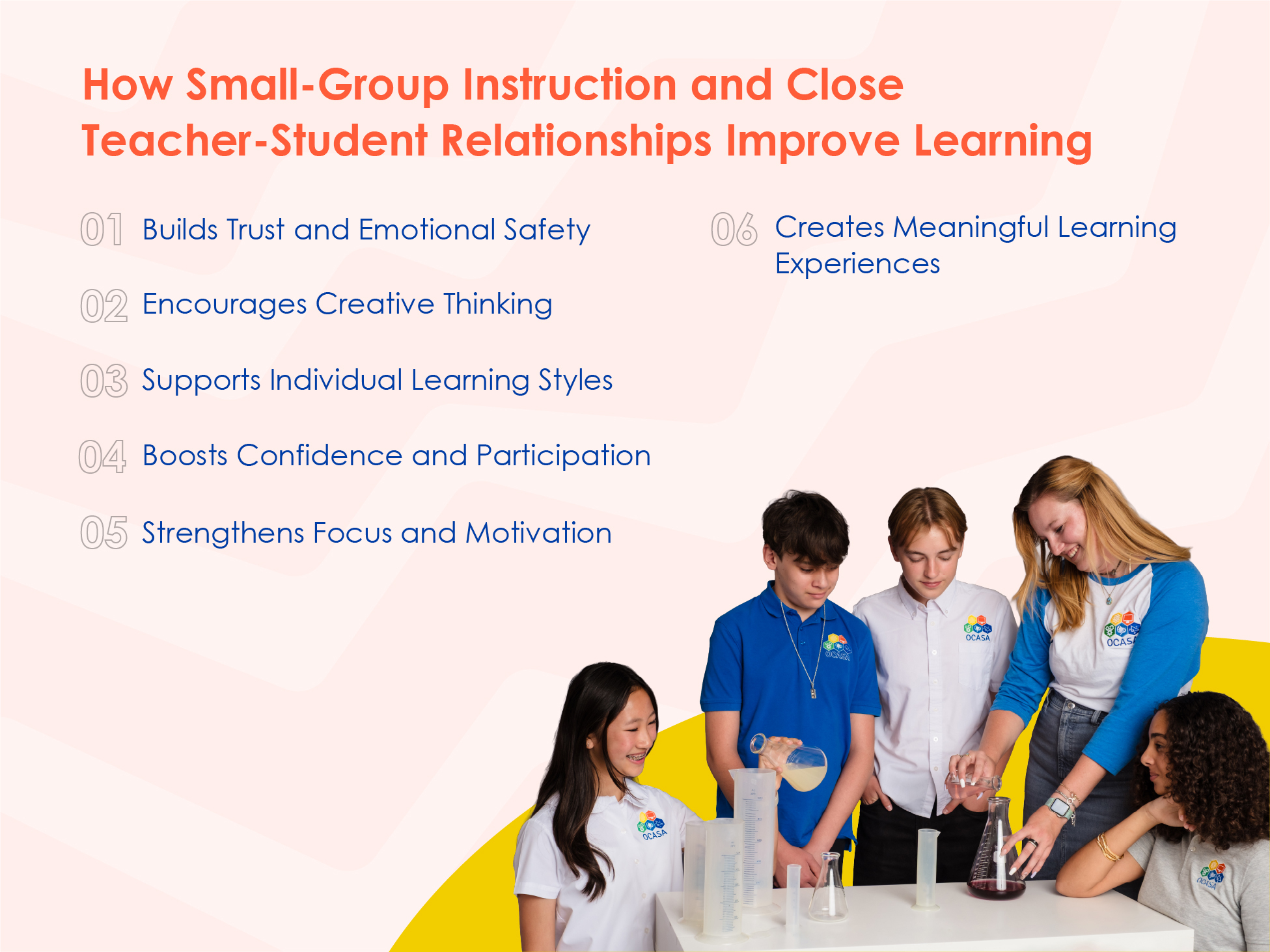
When schools include art and music, learning becomes more balanced and more human. This way, students are not just learning information; they are learning how to connect ideas with emotion and imagination. Here’s how art and music can make learning more impactful:
1. Builds Creativity and Imagination
Art and music invite students to imagine, explore, and create without limits. When children paint a picture or compose a rhythm, they are not just making something pretty; they are learning how to think in new ways. This is one of the biggest advantages of art and music in STEAM, because creativity strengthens problem-solving.
This shows the true importance of art and music in education, as it allows students to express ideas in innovative ways.
2. Strengthens Emotional Expression
Not every child can explain how they feel with words, but many can show it through art or music, i.e., they can tell a story through a drawing or express their emotions through a song, and that’s how art and music in education support emotional growth so naturally.
When students feel understood and supported, learning becomes safer and more open. That emotional safety is a key part of the role of arts and music in a STEAM curriculum.
3. Supports Deeper Thinking in STEM Subjects
When students use creativity in science and math, they understand concepts more clearly. Designing a bridge in art class supports engineering. Practicing rhythmic learning helps with patterns in math. This is how arts and music in STEAM education connect thinking and creativity.
These connections show the advantages of art and music in STEAM, because students are not just memorizing, but they are also understanding at the root level.
4. Improves Focus and Memory
Music helps students remember, and art helps students focus. When lessons include sound, color, and movement, they stay in a child’s mind longer. That is why music in STEAM classrooms is so effective.
So when art and music are part of education, they help students retain what they learn in meaningful ways.
5. Encourages Collaboration and Communication
Art projects and music activities often happen in groups. Students listen to each other, share ideas, and build something together. This teamwork strengthens communication skills.
That’s how the role of arts and music in a STEAM curriculum extends into confident creative expression by making studies a fun and collaborative journey.
6. Builds Confidence and Identity
When children create something of their own, they feel proud. They see that their ideas matter. This is how art and music in education help students build confidence and a strong sense of self.
These are long-lasting advantages of art and music in STEAM, because creative success empowers future academic growth.
How OCASA Blends Arts and Music in STEAM Education
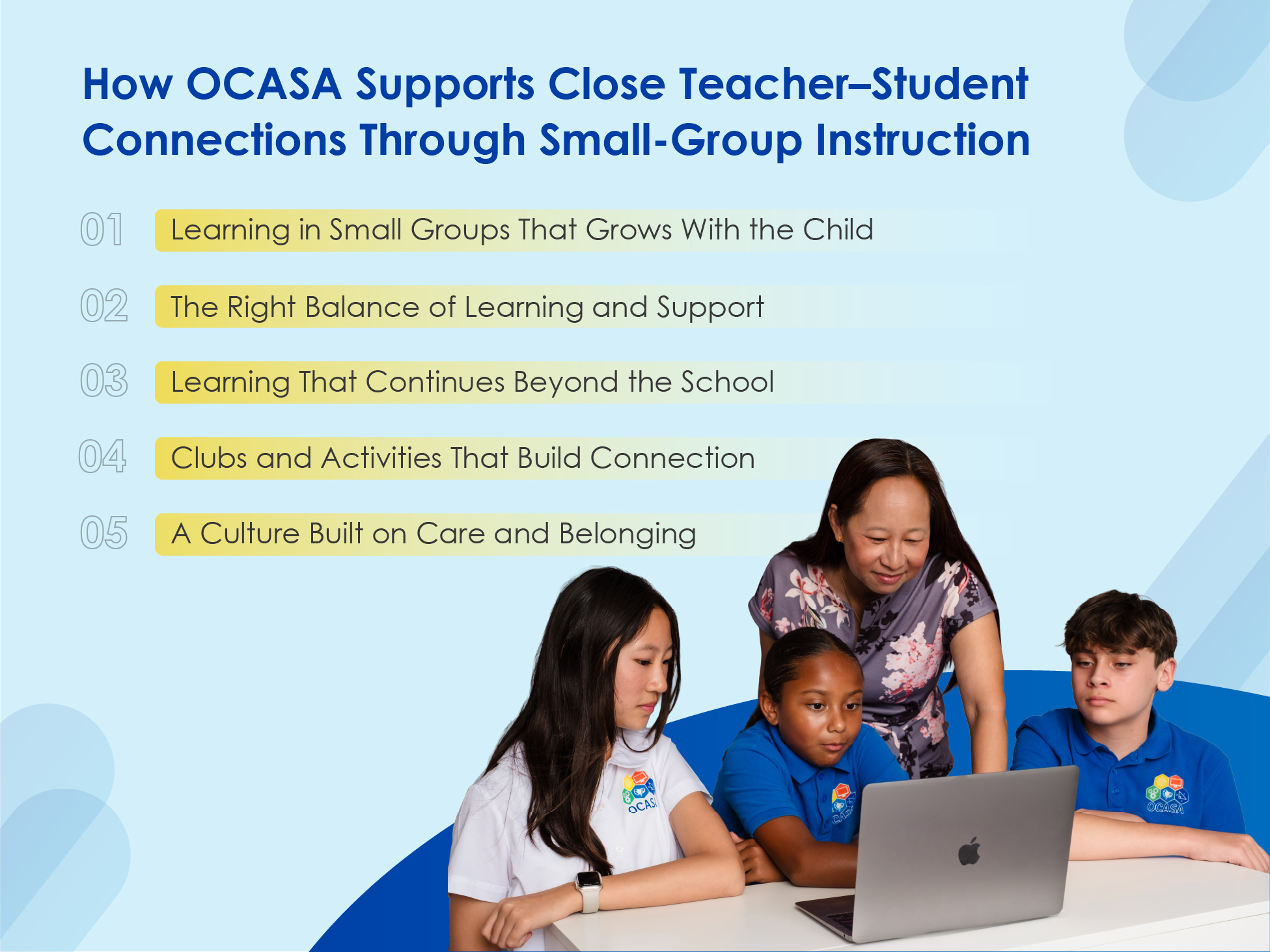
Connection, creativity, and curiosity guide everything we do at OCASA. By integrating art and music into STEAM, we help students learn with both their minds and their hearts.
-
Art and Music Clubs That Inspire
At OCASA, students explore creativity through art clubs, music clubs, drama, and more. These spaces allow children to express themselves freely and joyfully. And that’s how arts and music in STEAM education come alive in everyday school life.
-
Whole Child Development at the Core
OCASA believes in educating the whole child, not just the academic part. While students grow in reading, writing, and math, they also grow through painting, singing, acting, and creating. This reflects the deeper importance of art and music in education, because learning is about the heart as much as it is about the mind.
-
Joy Is the Foundation of Learning
At the heart of OCASA is joy. When children love their school, they develop true excitement towards their learning. Students feel excited to come each day, surrounded by caring teachers and supportive classmates. This joyful environment is supported by arts and music in our STEAM curriculum, because creativity grows best where students feel safe and valued.
-
Creative STEAM Projects
Students at OCASA use art and music to explore science, technology, and engineering concepts. They design, build, perform, and present their learning. This shows the real advantages of art and music in STEAM, where creativity supports academic growth.
-
A Community That Celebrates Growth
OCASA celebrates effort, curiosity, and progress. Students are encouraged to try new things, make mistakes, and grow. This supportive culture strengthens art and music in education and helps every child feel they belong.
Conclusion
Arts and music are not extras. They are essentials. When students learn through color, sound, and creativity, they understand the world more deeply. The importance of art and music in education lies in their power to connect learning with feeling.
At OCASA, we believe the role of arts and music in our STEAM curriculum is not simply to enhance academics but to nurture the whole child. By intentionally integrating art and music in education with science, technology, engineering, and math, we create classrooms filled with imagination, collaboration, and purpose. This balanced approach highlights the true importance of art and music in education, ensuring students develop critical thinking skills alongside creativity, confidence, and joy. When learning feels inspiring and meaningful, students thrive not just in school, but in life.
%20_653%20X%20518%20_%202%20copy%206.webp?height=245&name=Blog%20images(Empowering%20Young%20Innovators)%20_653%20X%20518%20_%202%20copy%206.webp)

.webp?height=245&name=celebrating-the-incredible-staff-at-ocasa-01%20(1).webp)
.webp?height=245&name=Hands-on%20Learning%20to%20Revolutionize%20Core%20Education-09-09%20(1).webp)
.webp?height=245&name=Library1.1%20(1).webp)
-1.png?height=245&name=image%20(14)-1.png)
.webp?height=245&name=Main%20Banner@2x%20(1).webp)
.webp?height=245&name=mothers%20day-18%20(1).webp)

-11.webp?height=245&name=Blog(%20The%20Magic%20of%20Reading)-11.webp)




.webp?height=245&name=smart%20learning-16%20(2).webp)