


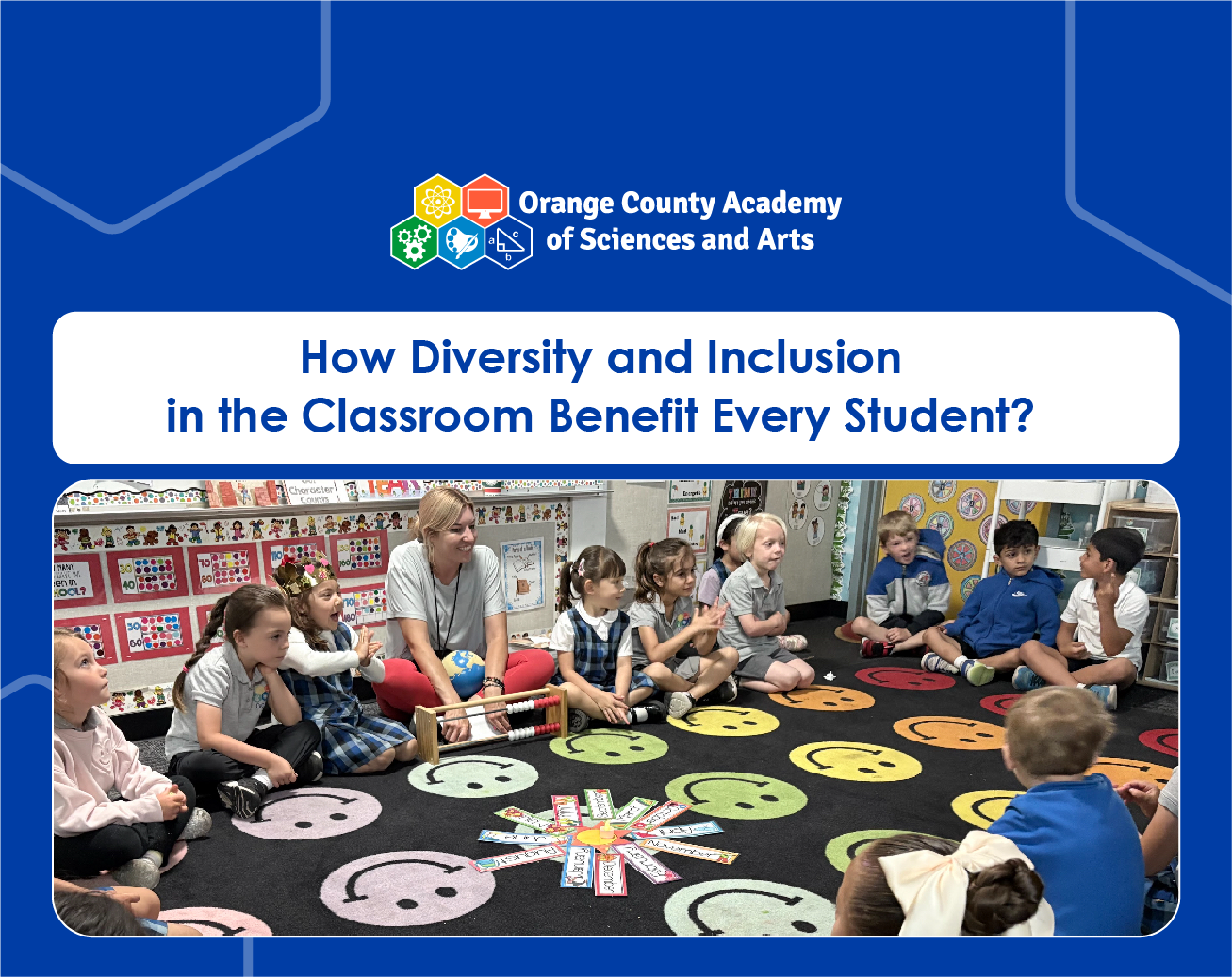
How Diversity and Inclusion in the Classroom Benefit Every Student?
Children learn from their teachers, but they also learn from the classmates sitting beside them, the stories they share, and the experiences they bring to school.”
Children learn from everything around them. And when students come from different cultures, backgrounds, experiences, and family traditions, the classroom becomes a place full of new ideas and meaningful conversations. This is one of the reasons why diversity in the classroom is so important for children.
That’s why a classroom should not only focus on academic learning but also help children understand one another, respect differences, share ideas, and feel confident about who they are. When students feel supported, they become more comfortable asking questions and trying new things.
In this blog, we will explore what diversity and inclusion in education mean, learn about the benefits of an inclusive classroom, and understand how OCASA creates a safe, welcoming, and joyful learning environment for every student.
Understanding Diversity and Inclusion in Education for Young Learners
Diversity in the classroom means bringing together students with different cultures, languages, interests, family experiences, and ways of thinking. Inclusion means making sure that every student feels welcomed, respected, and supported in daily learning. It is not only about having different children in the same classroom; it is also about giving every child a real opportunity to participate and grow.
This approach helps create an equitable learning environment where children receive the support they need. Fairness means understanding that children have different needs and providing the right tools and guidance to help each student move forward.
Top Inclusive Education Benefits That Help Every Student Grow
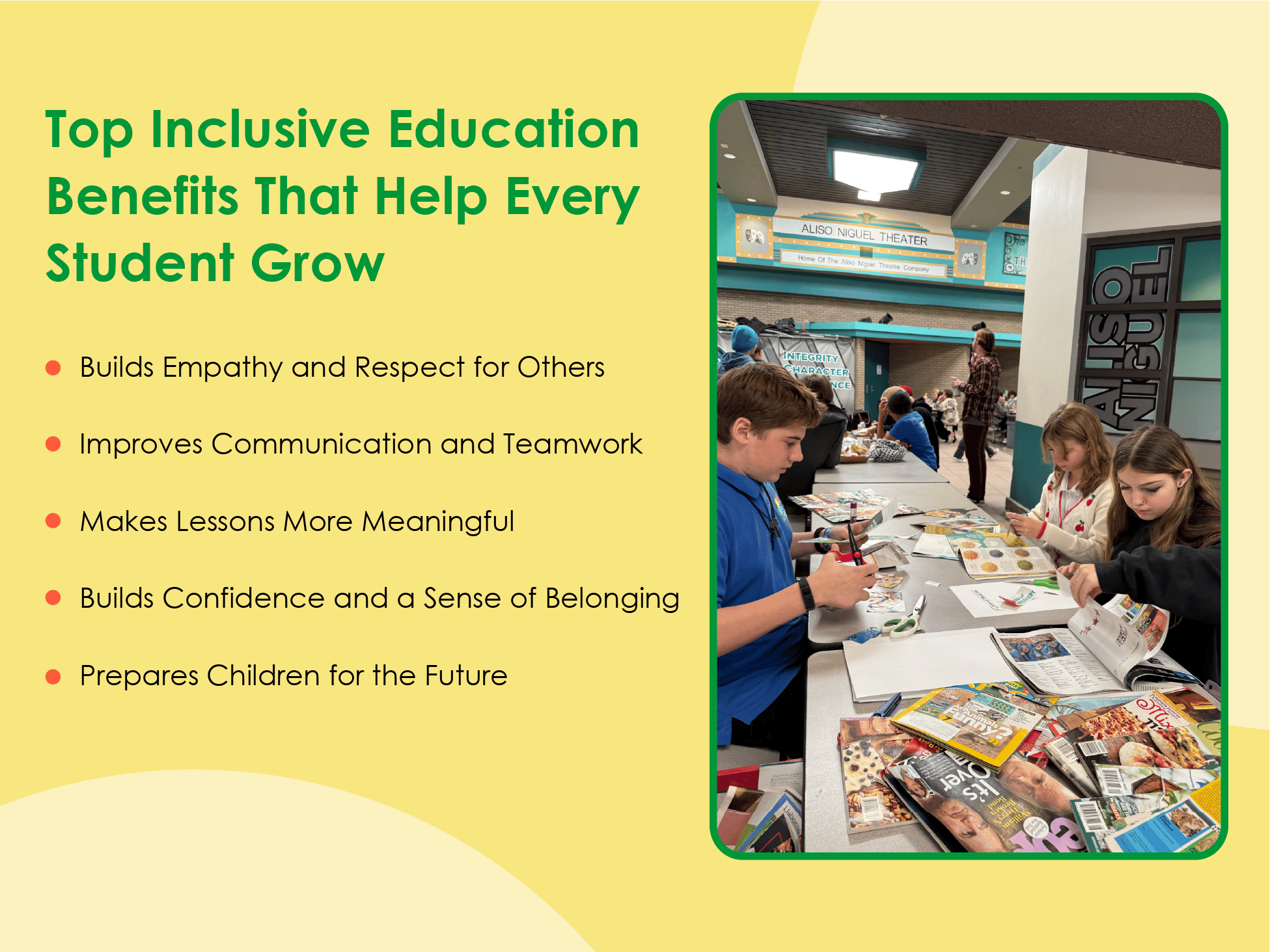
Benefits of inclusive education are not limited to one student only. When learning respects differences and encourages kindness, every student thrives. Let’s explore how inclusion supports children in school and in life.
Builds Empathy and Respect for Others
When children spend time with classmates who have different experiences, they understand that everyone may see the world differently. These multicultural classroom advantages help children appreciate people instead of making quick judgments.
For example, a student may share a family tradition during a class discussion. Other children can ask questions, listen carefully, and understand that each family may celebrate, eat, or spend time together differently. This simple conversation can help students develop empathy and respect.
Improves Communication and Teamwork
When children learn with classmates who have different experiences and ideas, they get more opportunities to talk, listen, ask questions, and work together. They learn that their ideas matter while also learning how to understand and respect someone else’s point of view.
For example, children may work with classmates who speak different languages or have different ways of expressing themselves. As they listen, ask questions, and find ways to understand one another, they build stronger communication and teamwork skills.
Makes Lessons More Meaningful
Lessons become more interesting when children connect them to real people, places, languages, and experiences. Teachers can include different perspectives in stories, projects, and classroom conversations, making learning feel connected to real life. This is the heart of culturally responsive teaching: children connect new knowledge with familiar experiences while learning to respect experiences that are new to them.
For example, during a lesson about communities, students can have discussions about different foods, music, or celebrations. One child may recognize something from home while another discovers something new. These multicultural classroom advantages make learning more exciting.
Builds Confidence and a Sense of Belonging
Children learn better when they feel that they are accepted and valued. An inclusive classroom culture gives students the confidence to share their ideas without worrying that they will be laughed at or ignored. When children know that their voice matters, they become more willing to participate in reading, science, art, and group activities.
For example, a child who usually stays quiet during discussions may feel confident sharing a drawing connected to their family or culture. When classmates show interest, the child begins to believe in their ability to contribute. This feeling of belonging is an important inclusive education benefit.
Prepares Children for the Future
Children will study, work, and live with people who have different backgrounds and ideas. Learning with others helps them become respectful, flexible, and ready to use skills such as listening, cooperation, communication, and leadership.
When children work in mixed groups and include every classmate, they build habits they will need in future schools, workplaces, and communities. Culturally responsive teaching also reminds children that their own experiences matter while helping them listen to the experiences of others.
How OCASA Builds an Inclusive Classroom Culture Every Day
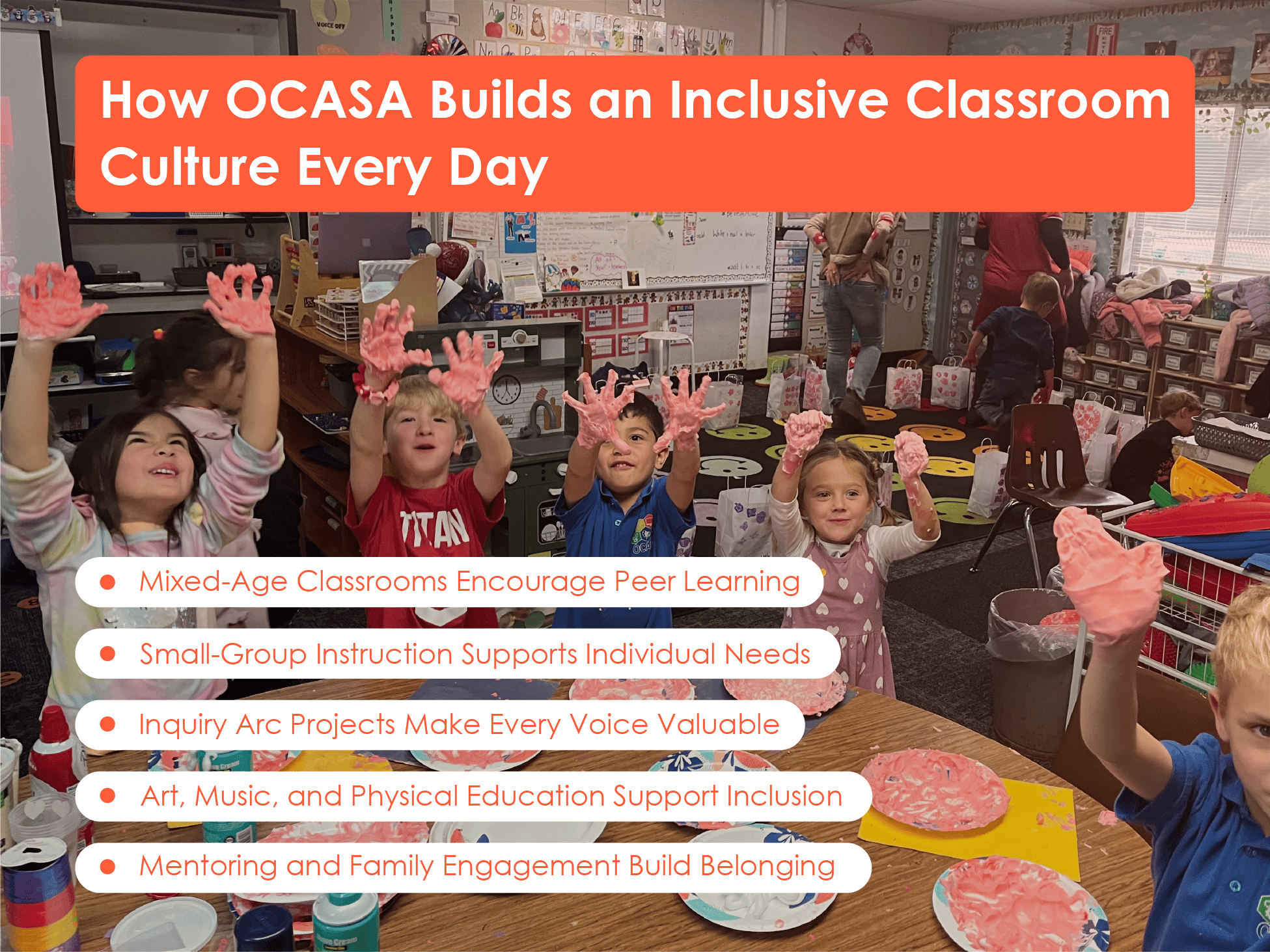
At OCASA, every child is known, supported, and inspired. Our programs support academic, personal, social, and emotional development. Here are some ways OCASA creates joyful and connected learning.
Mixed-Age Classrooms Encourage Peer Learning
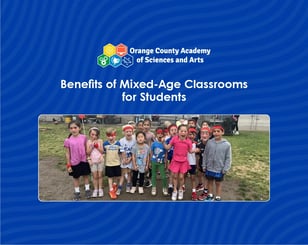
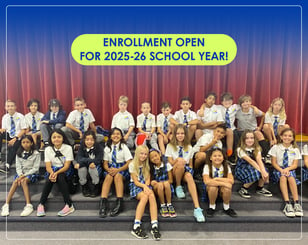
OCASA Elementary uses mixed-age classrooms and small groups so students can learn with children at different developmental levels. This creates a family-like setting where older students can guide younger students, while younger students can learn from positive examples around them. It also gives children the chance to experience different social roles.
Small-Group Instruction Supports Individual Needs
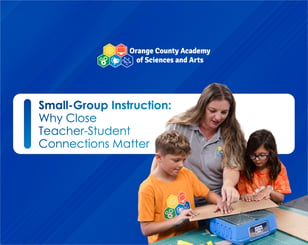
Every child learns differently, and OCASA understands that a one-size-fits-all approach does not work for every student. Small-group instruction allows teachers to meet students at their level and provide the right amount of challenge, support, remediation, or enrichment.
Inquiry Arc Projects Make Every Voice Valuable
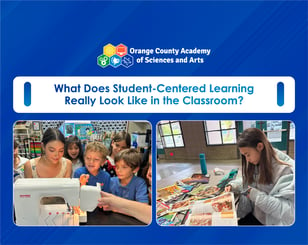
OCASA Inquiry Arc Projects give students time to explore broad themes, identify patterns, make connections, build models, and share what they have learned.
For example, one student may create project visuals while another researches, builds, or speaks during the final presentation. Each child contributes in a different way. This is how diversity becomes a strength in learning. These multicultural classroom advantages help students notice and value strengths that may be different from their own.
Art, Music, and Physical Education Support Inclusion
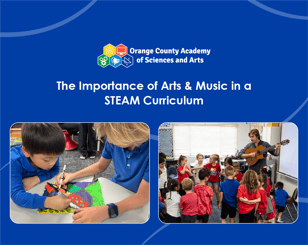
Learning is not complete when children only sit at a desk. OCASA offers visual arts, performing arts, music, physical education, and STEAM electives so students can explore their strengths and express themselves in different ways.
For example, a student who finds it difficult to speak in a large discussion may express an idea through painting, music, movement, or performance.
Mentoring and Family Engagement Build Belonging
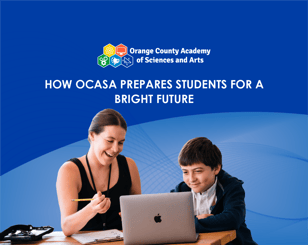
OCASA Middle School provides weekly mentoring for academic and social-emotional coaching. Mentors act as advocates and support students as they work toward personal and academic goals. This helps students feel connected to a caring adult.
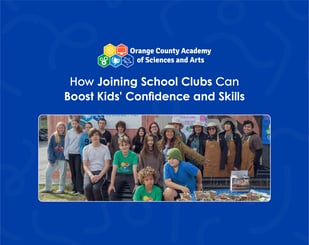
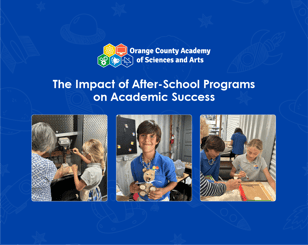
Through field studies, projects, clubs, and Beyond the Stars, children build friendships, explore interests, and feel part of a caring school community. This strengthens an inclusive classroom culture across the school.
Conclusion
Diversity and inclusion in education help children grow into kind, confident, creative, and respectful learners. When students learn with different backgrounds and ideas, they become better listeners, collaborators, and open-minded thinkers.
At OCASA, we support this growth through mixed-age classrooms, small-group instruction, STEAM+ learning, Inquiry Arc Projects, arts, physical education, mentoring, field studies, and family engagement. We are committed to an equitable learning environment where every child feels known and supported.